Search Results
56 results for “reassurance”

How to Show Your Dog You Love It (in a Language It Understands)
Dogs may not speak, but their emotional world is rich. Brain-imaging work at Emory University shows a dog's brain reacts to its owner's voice and scent in areas similar to where humans process emotion, so your affection is a real signal your dog can feel. You can speak its language through soft eye contact (which raises oxytocin in both of you), calm pressure-petting, high-engagement play, frequent praise, leaving a scented item in its bed, and keeping a predictable routine. These small daily acts lower stress and deepen the bond far more than words alone.

Why Is Your Dog’s Tail Tucked Between Its Legs?
A tail tucked down usually signals fear, nervousness, or discomfort. A slight tuck may mean mild unease or wariness of a stranger or possible danger; a tail pressed tightly under the body points to real fright or stress. It can also stem from illness or pain, including a tail injury. Watch the dog's posture and other signs—comfort an anxious dog, and if pain or other symptoms appear, see a veterinarian.

What to Do When Your Cat Gets Carsick
Cats can get carsick just like people, and the nausea makes travel miserable for them. The good news is that owners can take simple steps to prevent and ease motion sickness. Withhold food for two to three hours before the trip while allowing water, and watch your cat closely during the drive, stopping every one to two hours on long journeys. Short practice rides at home help cats gradually adjust to the car, and keeping the windows slightly open improves airflow and oxygen. For cats with a history of severe sickness, ask a vet about motion-sickness medication before a long trip. Bringing a favorite toy and offering calm reassurance reduces stress, and packing tissues, a disposable litter box, and a spare blanket prepares you for accidents. With preparation, even sensitive cats can travel comfortably.

Why Do Dogs Love Riding in the Car?
Many dogs get wildly excited the moment they hear the jingle of car keys, but the reason goes deeper than simple habit. Riding in the car satisfies a dog's natural curiosity by flooding them with new sights, sounds, and smells through the window. It is also quality bonding time, letting them sit close to their favorite person and share an adventure together. For indoor dogs especially, a car ride is a rare chance to get out, explore, and take in fresh scents. Some dogs even treat the ride as a status symbol, proudly watching the world go by from their special seat. Still, car travel has risks. Owners should secure their dog with a proper safety harness or car seat, keep the cabin ventilated, and help nervous dogs adjust gradually through short, positive training trips.
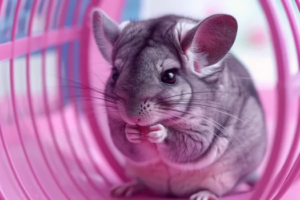
What Are the Signs a Hamster Is Frightened?
A frightened hamster may go stiff-limbed, vibrate its tail, tremble, hide, and grow unusually alert—some even play dead when terrorized. Hamsters are highly sensitive to sudden noise and quick movement. Keep their environment quiet and calm, and if one is startled, give it space and security, offer a favorite treat, and let it rest until it recovers.

Why Has My Cat Become Inactive?
A sudden drop in a cat's activity can mean many things: illness, a change of environment, aging, a naturally calm personality, or simple boredom. A busy owner who rarely plays with the cat can leave it bored, inactive, even depressed—so give plenty of companionship and affection. But illness, a move, or old age can also be the cause, and you should judge by the situation. If low energy comes with vomiting, diarrhea, or lost appetite, see a vet; if it follows a move, give time and a safe space; if the cat is elderly or just naturally quiet, that may be normal. Watch your cat closely and respond with the right care.

Are Cats Afraid of Thunder?
Cats hear a far wider range of sound than people do, so a thunderclap that seems loud to us can be overwhelming to them. The sudden onset, before they have time to adjust, can trigger real fear and even stress-related illness—especially in timid cats or certain sensitive breeds. During storms, move your cat to a quiet, comfortable room, offer treats or toys to distract it, and stay calm and close. Longer term, gentle sound-socialization as a kitten can help a cat tolerate loud noises such as thunder and fireworks.

How to Prevent Your Pet From Getting Lost
Lost pets face a harsh street - most stray animals die within a year, 30% from car accidents and 50% from hunger, injury and culling. Losses start with owner carelessness (a dog left tied to a cart, a door left open), sudden fright (horns, fireworks, other animals), or temptation (food and mating instinct). Prevent it: walk on a leash around home so the dog remembers the route, train a reliable recall with treats, socialize early to reduce fear of sounds, and consider a GPS collar or microchip as backup.

What to Do When Your Dog Gets Cars Sick
More hotels and attractions now welcome pets, but some dogs still get car sick - drooling, labored breathing, vomiting, even loss of bowel control and limp limbs. The good news is you can help your dog overcome it. Start by letting the dog adapt to the car with short, smooth trips and its own bed for security; then practice sitting in a running (but stationary) car and finally slow drives with calm reassurance. If sickness strikes, slow down, open a window for air, and use a vet-approved sedative or motion pill after stopping.

How Cats Show Stress and Why It Matters
A trigger can be noise, a stranger, travel, or a move, and each cat reacts differently. Hiding, hissing, even sudden aggression are normal first responses, while deeper stress brings appetite changes, soft stools, or vomiting. Beyond discomfort, strong stress lowers immunity and can unmask hidden disease, so calm, patient handling matters most.