Search Results
56 results for “reassurance”

How Can You Tell a Dog Doesn’t Fully Trust You?
Full trust is hard-won, and even an affectionate dog may not be all the way there. Signs of incomplete trust: sleeping only in hidden corners on guard, shadowing your every move from insecurity, hoarding food (common in rescued strays), resource-guarding with growls, and jealousy when you pet other animals. Patience and reassurance build it.

How to Cure Dog Skin Disease at the Root
Stubborn skin disease in dogs is most often fungal or mite-related, driven by poor hygiene, weak immunity, or contact with infected animals. Lasting recovery combines shaving, a medicated herbal bath, topical and systemic antifungals, and ongoing prevention — and a vet should direct treatment rather than guessing with home remedies.

Common Skin Diseases in Dogs
Dog skin problems come from many sources — fungal spores, bacteria, allergies, and parasites among them — and each cause looks a little different. This overview covers how fungal and mite infections take hold and the standard treatment path of shaving, herbal medicated baths, topical ointment, and systemic antifungals.

Why Does a Dog Raise One Front Leg
Does your dog do this? Standing, it tucks one front leg with the paw curled up, while watching warily what is in front of it — maybe another dog, maybe a person, maybe even a plastic bag dancing in the wind.

How Scary Is a Dog in Its Rebellious Phase?
A dog's rebellious phase, driven by hormones, brings restlessness, fear, and even aggression as it matures. Owners should avoid force, use desensitization, and double down on socialization during this period.

Pre-Death Symptoms of Feline Infectious Peritonitis (FIP)
Feline infectious peritonitis (FIP) comes in wet and dry forms. As with any animal, a cat shows certain typical changes near death. Here is what to expect.

What to Do When a Neutered Male Cat Eliminates Outside the Litter Box
It is common for a male cat to eliminate outside the litter box after neutering, but if the behavior persists you should address it. The main causes are leftover hormones, established habits, surgical stress, or incomplete neutering, and most cases improve with retraining, odor removal, and reassurance.

How to Help a Cat That Gets Severely Stressed When Going Out
Indoor and naturally timid cats can suffer severe stress when taken outside, with signs ranging from refusal to eat and diarrhea to, in extreme cases, FIP or even sudden death. Keep your cat in a secure carrier, comfort it with familiar items, and practice carrier training in advance to prevent travel anxiety.
What Happens When a Cat Is So Scared It Pees, and How to Calm It
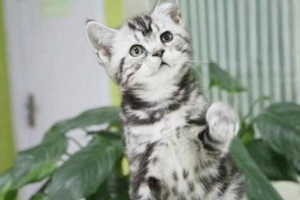
A cat that loses bladder control from fright is showing a severe stress response that can trigger urinary or digestive problems. This guide explains the risks and the steps owners should take to soothe a scared cat.
My cat went to a friend’s and beat their cat; that cat hid under the bed, won’t eat, breathes fast – scared sick?
Extreme fear causes stress: panting, fast breathing, hiding, tongue out; mild cases recover with rest. Severe: incontinence, urinary block, no eating; if undiagnosed heart disease, fear can trigger fatal attack. Don't expose to scary places; severe stress needs a vet.