Search Results
56 results for “reassurance”

Signs of Social Anxiety in Dogs
Dog social anxiety shows as tucked tail, trembling, and hiding from new people, places, or dogs; some over-react with aggression or frantic excitement. Manage it with early socialization, a long lead to control distance, positive rewards, a calm low-noise home, and a pro trainer for severe cases.
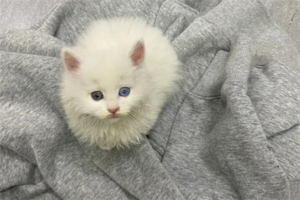
Signs Your Cat Is Lonely
Cats may be solitary by nature, but they still feel loneliness, and long hours alone show up as destructive behavior, excessive meowing, over-grooming, clinginess, oversleeping, or staring out the window. Ease it with a second cat, daily play and affection, and a consistent feeding routine.

Why Is My Puppy Whining and Whimpering?
A dog may whine from pain, hunger or thirst, a need to toilet, fear or loneliness, a changed environment, cold while sleeping, or simply as a friendly greeting. Persistent whining with other signs such as vomiting or shivering means a vet visit; whining from emotion or change is eased with company and reassurance.

Why Does Your Dog Sniff Your Crotch?
Dogs identify you by smell, and the groin carries your strongest scent — letting them confirm who you are and read your health and mood. In the wild, dogs sniff each other's scent to bond and share info; sniffing you is a 'hello' and a sign of trust or seeking security. It's normal — if it bothers you, train and redirect to other greetings.

When Do Dogs Get Jealous?
Dogs get jealous most when they feel ignored or see you being affectionate with another pet or person — showing unease, barking, or pushing in. It's a protective instinct and a sign of social anxiety. Stay calm, give extra reassurance, and gradually introduce new companions; if jealousy turns aggressive, seek a professional.
Why Does My Cat Keep Meowing in the Early Morning?
Early-morning meowing is usually normal — cats are crepuscular hunters wired to be active at dawn and dusk, and they may simply be hungry, thirsty, or asking for the balcony. It can also become a learned habit if you always get up to feed or play when they cry. The fix is to ignore the crying until they quiet down, then reward calm behavior, and tire them out with play before bed.

Things to Consider When Taking Your Dog Home for the Spring Festival
Traveling home with your dog for the holidays takes planning: confirm your dog is healthy, pack its essentials, and get it used to the car (or sort out pet shipping papers 1–2 weeks ahead for train or air travel). Once at a new environment, ease its anxiety with a quiet space and familiar routine, and during the festival guard against fireworks stress, escape risks from frequent visitors, and toxic human foods such as chocolate, grapes, and onions.
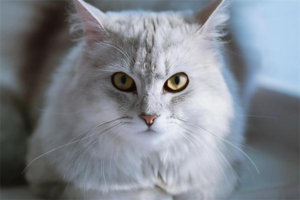
What Your Cat’s Head-Butting Really Means
A cat head-butting you carries rich meaning. It shows closeness and trust by leaving facial-gland scent on you, mimics cat-to-cat social greeting to include you in its circle, seeks comfort and attention when stressed, and marks you as part of its territory. Respond with gentle head or neck strokes to strengthen your bond.
CoQ10 for Pets: Why Adequate, Well-Absorbed Dosage Matters
Many owners dismiss pet CoQ10 as a gimmick, and with reason: an under-regulated market let weak products ship before they were ready, so finding a real, safe, high-potency supplement was hard. The science is sound, though. CoQ10 lives in the mitochondria, drives cellular energy, and neutralizes free radicals that damage the heart. Pets over about 5–7 years, obese animals, high-risk breeds, and those already diagnosed lose CoQ10 reserves fast, and diet alone barely replaces it—hence panting after a short walk, night coughs, or low energy. The key is adequate, well-absorbed dosage; micro-dosing is only comfort. This article explains who needs CoQ10, what “real” formulation looks like (transparent content, third-party testing, yeast-derived sourcing, combined heart–lung nutrients), and safe daily use.

Why Does Your Cat Love to Rub Against You?
Cats have scent glands on their cheeks and chin that release a marking substance. When a cat rubs on you, it leaves its scent to claim you as part of its territory, a way to express belonging and security. A cat may also rub when bored or hungry to ask for attention, play, or food. Respond with a gentle voice and soft strokes on the head, chin, or neck, and spend more time playing together.