Search Results
53 results for “rabbit winter breeding”

What Should Owners Do for Winter Rabbit Breeding?
Low winter breeding rates in rabbits are common, but owners who do these things well can raise the rate. What should you do? Read on with us.

What Factors Lower Winter Rabbit Breeding Rates?
A doe's fertility directly drives farm profit. Many farms report does not coming into heat, lowering breeding rates. Why? Read on to learn the causes.
What to Note When Plucking Long-Haired Rabbits
Long-haired rabbits yield much wool, a main fur breed. If you keep one, learn shearing. Plucking is not simple - many notes. Here they are.
Measures Owners Should Take for Long-Haired Rabbits in Winter
Winter care focuses on cold protection; short daylight and scarce greens also challenge raising. We hope this helps the rabbit through winter.

Why Do Kits Die More in Winter?
Winter breeding matters to rabbit farmers; with fewer pathogens, survival should be high — but poor conditions (bad temperature) kill frail kits. Here are the causes and prevention.

Key Points for Raising Meat Rabbits in Winter
Winter's cold, short daylight and lack of greens make meat-rabbit farming harder. Here are the problems and solutions for winter raising.

Breeding Buck Feeding Techniques
Though few in number, breeding bucks decide the herd's performance and quality, since their main job is mating, so they are held to a higher standard. Beyond the buck's own condition, keeping his fertility high needs better management. Here we introduce some buck-feeding techniques.
How to Supplement a Breeding Rabbit’s Nutrition?
Keeping a breeder's nutrition balanced is key to quality, yet you must avoid overfeeding and obesity. How should owners supplement a breeder's diet? Read on with us.
How to Choose Quality Breeding Rabbits
Fine breed choice decides farming success; stock quality affects offspring. This article teaches selection technique.
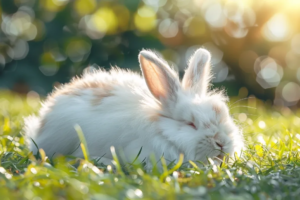
Rabbit Blood-Mating Technique
Blood-mating breeds a doe 12-24 hours after birth to raise litter rate, but only for strong does with few kits; match age, season, and nutrition, and avoid it for breeding-stock or weak animals.