Search Results
48 results for “rabbit grooming”
How long is a rabbit’s molting period?
Rabbits molt in March to May and September to November, shedding heavily; brush often and clean fallen hair to prevent hairballs from over-grooming. They also shed mildly off-season, so brush regularly regardless of season.

Silver Fox Rabbit
The Silver Fox Rabbit is a standard fur-breed rabbit with a soft, beautiful coat, but it has weak adaptability and has not been widely promoted or kept. Originating in the former Soviet Union, it is a precious fur-breed variety valued both for its pelt and as a pet.

Shih Tzu Rabbit
The Shih Tzu Rabbit is a pet rabbit breed developed in China. It has a small, cute appearance with very long coat and long facial fur, black eyes, and ears that are either upright or lopped. It is not yet recognized by any rabbit association.

Gray Chestnut Rabbit
The Gray Chestnut Rabbit was originally bred for high-quality fur but is now also kept as a pet. An artificial breed with a coat close to that of a wild rabbit—unusual among fur breeds—it was developed in France by breeder M.J. Dybowski, first shown in 1913, and is today a rare breed on the brink of extinction.
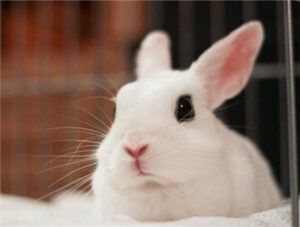
Blanc de Hotot Rabbit
The Blanc de Hotot Rabbit comes in large and dwarf forms, both pet breeds known for their pure white coat with black eye-rings and ears—like a panda. Gentle and cute, it needs regular grooming, nail trimming, and a dry, quiet home.
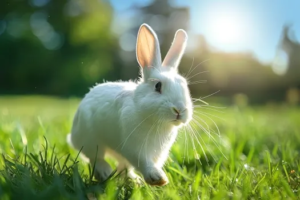
Rabbit Hairball Disease: Causes and Treatment
Hairball disease, common in long-haired rabbits, comes from swallowing too much fur and blocks the gut with constipation, bloating, and sometimes death. Causes range from cramped cages and poor diet to vitamin or mineral gaps and skin disease. Prevent it with full-ratio feed, isolation of fur-eaters, and regular grooming; treat with vegetable oil and enzyme tablets to pass the mass.

Why Rabbits Get Angry and How They Show It
Rabbits are a bit willful and can sulk for no clear reason, then quietly calm down. But their anger isn't always petty; sometimes the owner missed something. Here are the common causes and signs.

Coccidiosis vs. Hairball Blockage in Rabbits: How to Tell Them Apart
Coccidiosis and hairball blockage sound alike but are different: coccidiosis is a parasitic infection needing antibiotics and clean housing, while hairballs come from swallowed fur and are eased with malt paste and fiber. Knowing the difference guides the right treatment.
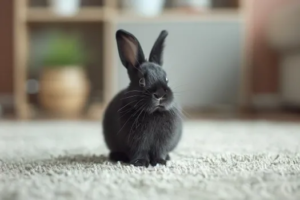
What to Do If Your Rabbit’s Fur Turns Yellow
Yellow fur in rabbits can signal poor nutrition, too little sunlight, skipped grooming, illness, or simply urine staining. Because the cause varies, judge by the situation. Feed a balanced diet of fresh grass, vegetables, and quality pellets; give a few hours of gentle outdoor sun (avoid midday heat); brush regularly with a soft comb and use a rabbit-safe shampoo only when needed; and keep the cage clean and dry so urine doesn't stain. If yellowing comes with other symptoms, see a vet for parasites or infection. With diet, light, grooming, and checkups, the coat can recover its healthy shine.
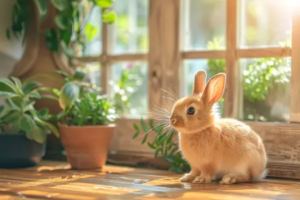
Is It Normal for a Rabbit Not to Poop for a Day?
Rabbits digest food quickly and usually pass droppings soon after eating, so a full day without poop can be a warning sign. It may simply mean your rabbit ate little, or it could indicate constipation from poor feeding, lack of exercise, weak digestion, hairballs, or a dirty water supply. Owners should keep food and water fresh, monitor intake, and help with fluids, probiotics, and exercise when needed. Understanding the cause is key—this article breaks down why rabbits stop pooping and how to respond.