Search Results
483 results for “rabbit food”
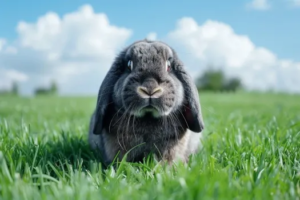
How to Stop Your Rabbit Rummaging Through the Trash
A rabbit that raids the trash can pick up bacteria and skin disease or eat spoiled food and suffer gut trouble. Move bins out of reach, give plenty of chew toys and activity, and correct the behavior with a sharp sound or gesture the moment it starts, repeating until it learns. Clear food scraps from bins, keep it fed and watered, and allow enough exercise. If it persists, an animal behavior specialist can help.
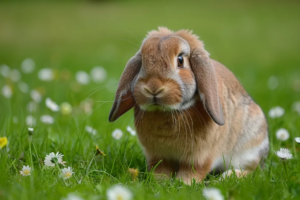
What to Do When Your Rabbit Is a Picky Eater
A picky rabbit may refuse food because of taste preference, a recent environment change, or dental trouble. Offer variety, fresh food, and a gradual switch to new items, and avoid overfeeding treats. Check teeth and mouth regularly, keep the diet balanced, and give enough space and exercise. Persistent pickiness with other symptoms warrants a veterinary check, since poor intake risks nutrient deficiency and weak growth.

White Rabbit Fish (Paradise Fish)
The white rabbit fish is the white colour form of the paradise fish (Macropodus opercularis) — a Chinese fighting-fish relative with a snow-white body, pinkish as it ages, and vermilion eyes. Pugnacious like a betta, it should not be mixed with other small fish; it is easy to keep at 24–28°C on a varied omnivorous diet.

Chinese White Rabbit
The Chinese White Rabbit is China's oldest domestic rabbit — small, compact, and remarkably hardy, with red eyes only in the white form. A meat-type landrace that also makes a tough pet, it needs a wire-free cage, a ball-valve bottle, and a simple diet of pellets, alfalfa, timothy, and boiled water. Watch for coccidiosis.

Angora Rabbit
The Angora Rabbit is the fluffy 'grass-mud rabbit' kept for its superfine wool (11 microns, finer than cashmere). Gentle but high-maintenance, it needs shearing every 3–4 months and constant hay to avoid deadly wool block (hairball impaction). Lifespan about 5–7 years.

Dutch Rabbit
The Dutch Rabbit is a small, distinctly marked pet rabbit with a white inverted-V on the face and a sharp color split between front and back. Gentle, smart, and nearly odorless, it needs timothy hay, a chew stick, steady 25–32°C, and a wire-free, dry cage. Lifespan about 5–7 years.
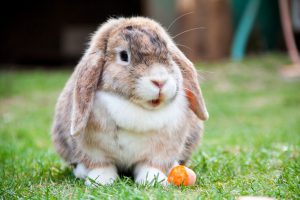
Lop Rabbit
The Lop Rabbit — one of today's most popular pet rabbits — is named for its ears that hang down. Gentle, small, and people-friendly, it is short-lived (usually 5–7 years) and heat-sensitive, needs daily grooming of its dense coat and drooping ears, and must never be picked up by the ears.

LionHead Rabbit
The LionHead Rabbit is a small, gentle pet rabbit named for the ruff of long fur around its head that looks like a lion's mane. Originating in Belgium and bred in the Netherlands and US, it is sturdy and clean, needs daily coat care and a wire-free cage, and lives 5–7 years.
What does fiber do for rabbits?
Crude fiber is an essential nutrient for rabbits that aids digestion and maintains intestinal health. Insufficient fiber easily causes digestive problems like constipation and diarrhea. Proper crude fiber also helps prevent hairballs and maintain ideal weight. Provide fiber-rich foods to ensure adequate intake.
My one-month-old rabbit is sneezing and sounds congested – what should I do?
Sneezing with nasal sounds in a rabbit usually means a respiratory infection. Here is the home care and when to see a vet.