Search Results
483 results for “rabbit food”
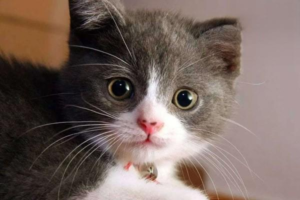
Recipe: Raw Chicken Cat Food (with Bone Meat)
Raw chicken cat food is the most accepted homemade meal — even cats that turn up their nose at beef, lamb, or rabbit will eat chicken, and it is gentle on the wallet. The base is chicken thigh and breast (about 80%), with heart, liver, and gizzard for organs, then a short list of supplements: taurine, calcium, a multivitamin, a little vegetable-and-fruit puree, alfalfa and kelp powder, probiotics, and salmon oil. Dice the meat, stir everything together, portion one meal and freeze the rest. It takes under ten minutes.

Rabbit Lying Down with Weak Limbs — What to Do
Seeing a rabbit flat on the ground with weak legs can look like the end, but the cause is often treatable. The three usual suspects are heatstroke from a hot, stuffy room, low blood sugar from poor nutrition, and coccidiosis, a parasitic gut infection. Each has a distinct fix, from cooling and glucose to deworming and disinfection. This guide explains how to tell them apart and what to do before a vet visit becomes necessary.
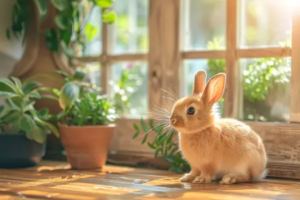
Is It Normal for a Rabbit Not to Poop for a Day?
Rabbits digest food quickly and usually pass droppings soon after eating, so a full day without poop can be a warning sign. It may simply mean your rabbit ate little, or it could indicate constipation from poor feeding, lack of exercise, weak digestion, hairballs, or a dirty water supply. Owners should keep food and water fresh, monitor intake, and help with fluids, probiotics, and exercise when needed. Understanding the cause is key—this article breaks down why rabbits stop pooping and how to respond.
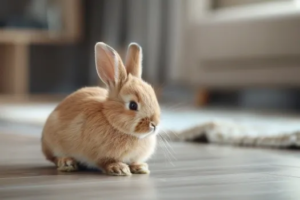
Do Rabbits Need to Hibernate?
Rabbits do not hibernate. As warm-blooded animals, they regulate their own body temperature and stay active through winter. That said, they still feel the cold despite their thick fur, so owners must provide warmth and shelter when temperatures drop. Moving the hutch indoors, sealing drafts, lining the cage, and adding soft bedding all help prevent chilling. Adjusting the diet with extra food and higher-calorie items supports their increased winter energy needs. This article explains why rabbits skip hibernation and how to keep them safe in cold weather.
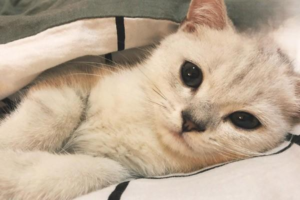
Soft Stools After Switching Cat Food? Here’s Why
Cats are built for high protein, so a new high-protein food alone shouldn't cause trouble—but sudden switches often do. Long-fed low-protein diets leave the gut making few protein enzymes, so a jump to rich food causes indigestion, vomiting, and loose stools; use the 7-day transition. If soft stools persist, it may be an allergy to a specific animal protein or a filler like pea; try a different protein or a single-source food. Also note many foods use beet as a mild anti-diarrhea agent, so dropping it can loosen stools—and weak-stomached cats do better on set mealtimes.
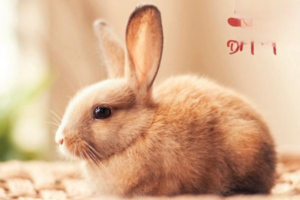
How to Relieve Bloating in Rabbits
Rabbit bloating usually comes from a fragile gut, hard-to-digest food, too little fiber, or toxic intake. Stop feeding at once and withhold food so the condition doesn't worsen, then offer a probiotic to restart gut movement and gently massage the abdomen to expel gas. Cut back on concentrated feed and add more hay to speed recovery. If home care doesn't help within a reasonable time, see a vet for targeted medication, bloating is manageable but shouldn't be ignored.

How to Care for a Netherland Dwarf Rabbit
Netherland Dwarf rabbits are active and need both proper housing and a sensible diet to stay healthy. Provide a cage of roughly 80×60×70 cm with soft bedding, safe toys, and chew sticks, and keep the environment at a stable temperature with low humidity, gentle light, and minimal noise. Feed mainly fresh hay (timothy, mixed, or alfalfa) for dental and digestive health, supplement with quality pellets, a little fruit and vegetables, and constant clean water—but control portions, since these rabbits gain weight easily. Build trust slowly through hand-feeding and gentle handling, and check coat, skin, eyes, ears, and teeth regularly.

What to Do If Your Pet Rabbit Is Constipated
Constipation is common in pet rabbits and, when severe, leads to refusal to eat and listlessness, so it needs prompt attention. Causes include unbalanced feed with too little water, foreign material in the diet, lack of exercise, or secondary disease such as anal inflammation or gut atony. Signs are dropping appetite, weak gut sounds, small hard droppings, then no stool at all, sometimes with bloating. Treatment clears the gut with short fasting, water, abdominal massage, and, if needed, a sodium bicarbonate enema; prevention centers on greens, water, exercise, and a fixed feeding schedule.

Essential Tips for Raising Healthy Rabbits
Rabbits are sensitive to their environment, and getting temperature, humidity, feed variety, and nighttime feeding right is essential to keeping them healthy. Their thick coat and weak sweat glands make it hard to release heat, so rabbits tolerate cold better than heat; a stuffy, humid hutch quickly leads to illness. Aim for about 20-27C, keep bedding dry, offer a varied diet instead of a single feed, and provide plenty of hay at night when rabbits are most active. These basics help prevent disease and support steady growth.
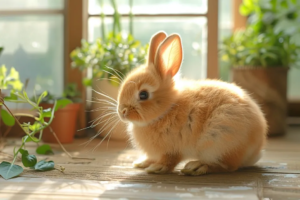
What to Feed a Rabbit With Pica
A rabbit with pica is often short on fibre, protein, vitamins or minerals, so the fix starts with diet. Always offer hay rich in fibre, add varied safe vegetables like carrot, broccoli, cabbage and apple for vitamins, and choose a quality pellet that supplies protein, calcium, phosphorus and traces for full nutrition. Fresh water must be available, and give chew items such as wooden toys, hay balls and chew sticks to satisfy the gnawing urge and turn interest away from wrong objects. If pica persists, a vet should rule out behavior or anxiety causes.