Search Results
483 results for “rabbit food”

What to Do If Bitten by a Rabbit
For a pet rabbit bite, clean the wound thoroughly with running water and soap for at least 15 minutes, disinfect with povidone-iodine, and apply antibiotic ointment. Rabies shots are generally unnecessary for indoor rabbits, but seek stitches or a tetanus shot for deep or heavily bleeding wounds.
What are the symptoms of a pregnant female rabbit?
Signs include bigger appetite, a growing belly, more urination, and nesting behaviors like digging and carrying grass. Isolate her and feed well to protect the litter.

Simple Treatments for Rabbit Stomatitis (Mouth Inflammation)
Rabbit stomatitis—from bacteria, poor nutrition, or overgrown teeth—shows as mouth ulcers, drooling, and appetite loss, and can be fatal if untreated. Rinse with a pet oral cleaner or saline, use a mouth spray or iodine glycerin on ulcers, soften the diet, add vitamins B and C, and see a vet for antibiotics or a tooth trim.
How often do rabbits go into heat?
A female rabbit's cycle is not fixed, usually 8 to 15 days, with heat lasting 3 to 30 days. Males can breed year-round, peaking in February to April and September to November. Signs include stamping, spraying urine, and chin-rubbing.

When Should a Rabbit Start Chewing (Teeth Filing)?
Rabbits generally need to start chewing around 2-3 months old, once their teeth are fully grown; without it, the front teeth keep growing and can cause chewing trouble or even eating problems. Overgrown teeth can pierce the gums and lead to infection. Offer safe chew toys or untreated natural wood (apple twigs, willow, corn cob), and have a vet trim them if they get too long.
What fruits can rabbits eat?
Rabbits can eat apples, bananas, oranges, pears, coconut, strawberries, melon, pineapple, cherries and similar fruits, which provide vitamins and moisture. Keep portions small, no more than 10% of total food, and always remove pits and peels.

How Many Times a Day Should You Feed a Rabbit?
Most adult rabbits do well on two meals a day, while growing juveniles need three to four smaller feedings; seniors or rabbits with health issues may need adjusted schedules per a vet. Base the diet on unlimited hay, a measured amount of pellets, and limited fresh vegetables, and keep portions modest to avoid obesity and gut trouble. Watch appetite and weight and adjust as needed.

What to Do When Your Rabbit Keeps Sneezing
Rabbits have sensitive noses, so frequent sneezing can signal anything from a mild allergy to a respiratory infection. Common triggers include pollen and dust allergies, poor diet, colds caught in damp or cold environments, and sinusitis. If your rabbit sneezes occasionally with no other signs, it is usually nothing to worry about. But if sneezing is frequent or paired with discharge, coughing, or red eyes, you should improve the living environment, adjust the diet, identify and remove allergens, and seek a veterinarian's advice. This guide walks through the likely causes and the practical steps you can take at home before a clinic visit becomes necessary.
Can Rabbits Eat Steamed Buns?
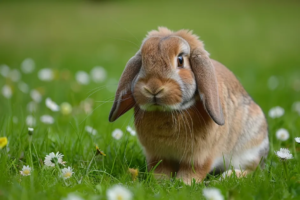
It is best not to feed rabbits steamed buns. Made mainly of flour, yeast, and water, buns are rich in carbohydrates that a rabbit's digestive system cannot handle well, and eating them can cause digestive trouble and obesity. A rabbit's diet should center on high-fiber, low-fat, low-sugar plants. Grass provides the fiber that supports gut digestion, so pair hay with limited fruit and vegetables for balanced nutrition.

Is Your Rabbit’s Red Urine Always Blood?
Red urine in a rabbit is not always blood. Eating pigmented foods like carrot or beet can tint it light red or orange with normal behavior, and some medicines such as vitamin C or iron can do the same. True bleeding comes from a urinary infection or stones, giving a dark red or brown color along with straining, frequent urination, or low output, which needs a veterinarian. Prevent problems with a balanced diet, plenty of water, a clean cage, and regular checks of the urine.