Search Results
176 results for “rabbit feeding”

Lop Rabbit Care Essentials
Lop rabbits make popular pets but need correct care. Buy a 2 to 3 month healthy one, feed pellets and hay as staples with small vegetable and fruit treats (none under 6 months), never meat or spicy food, and keep cats away to avoid toxoplasmosis. Litter-train early, walk at dusk on safe ground, keep 18 to 25°C, and groom, bathe monthly, and trim nails.
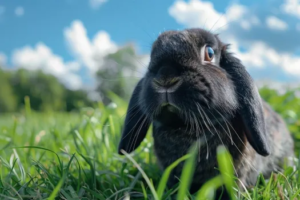
Preventing and Controlling Rabbit Colibacillosis
Rabbit colibacillosis (mucoid enteritis), caused by Escherichia coli, strikes weanling rabbits hardest with high death rates from watery, jelly-like diarrhea and dehydration. Prevention hinges on steady high-fiber feeding, clean dry housing, insect and rodent control, and feed-additive or vaccine prophylaxis.
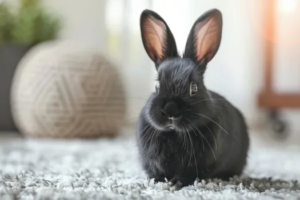
Rabbit Constipation: Causes and How to Prevent It
Rabbit constipation, common in young and old rabbits, comes from dry hardened gut contents due to poor feeding, too much concentrate, low water, or too little exercise, and can block the gut. Signs are poor appetite, hard small stools, then no stool with a painful belly and palpable hard masses. Prevent with balanced feed and water plus exercise; treat early with greens and, for severe cases, sodium sulfate or salt laxatives.

How to Improve the Survival Rate of Young Rabbits
Weaned rabbits under three months old have the lowest survival rate of any age group, with more than half of deaths caused by digestive disorders. Boost survival by minimizing stress during the transition, keeping a calm and clean environment, feeding small frequent meals of digestible high-fiber pellets, and following a strict vaccination and coccidiosis-prevention program.

Rabbit Vitamin A Deficiency
Vitamin A keeps rabbit mucous membranes intact and vision sharp; deficiency, worst in winter and early spring, brings slow growth, weak coat, nerve signs, eye damage (conjunctivitis, keratitis, even ulceration), and in pregnant does premature birth or dead malformed kits. It stems from low-carotene feed, poor gut or liver absorption, or vitamin loss in storage. Diagnose by history, lesions, and plasma vitamin A below 0.2 to 0.3 mg/ml.
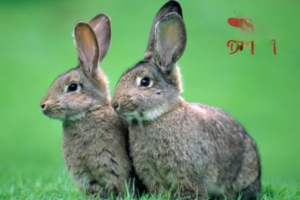
Rabbit Bronchitis: Causes, Diagnosis, and Treatment
Rabbit bronchitis, common in old and weak rabbits, brings cough, nasal discharge, and chest rales from cold, dust, mold spores, or irritant gases. Acute cases shift from dry to wet cough with breathing trouble; chronic ones cough after exercise or in cold air. Treat with antibiotics, cough suppressants or expectorants, and herbal tablets.

Rabbit Stress: Causes, Signs, and How to Avoid It
Rabbits are timid and sharp-eared, so strong or repeated shocks can stress them severely, even fatally. Causes include changed water or feed, weather, noise, light, moves, and strangers; signs are raised pulse and breathing, restlessness or hiding, refusing food, and does crushing or rejecting kits. Avoid stress with steady routines, fixed light, temperature control, quiet, and gradual feed changes.

Why Rabbits Get Angry and How They Show It
Rabbits are a bit willful and can sulk for no clear reason, then quietly calm down. But their anger isn't always petty; sometimes the owner missed something. Here are the common causes and signs.

Why Is My Rabbit Passing Red Stool?
Red stool can be harmless—red-pigmented foods like red spinach or mustard greens—or a warning of bleeding from gut inflammation, gastritis, or an anal tear. Overfeeding concentrated feed ferments in the cecum, upsets the gut flora, and causes enteritis with bloody diarrhea. Keep the home dry and airy, prevent coccidiosis, use a smooth cage floor, feed vegetables in moderation, give chew toys, control portions (rabbits have no fullness cue), and balance grain, greens, hay, and water.
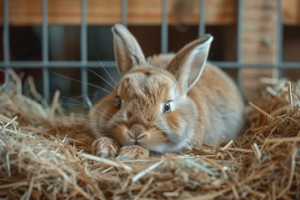
Key Points for Raising and Managing a Baby Rabbit
Baby rabbits are fragile: feed junior pellets and alfalfa (not fruit/veg), give clean water (never tap), keep the cage clean and quiet, hold temperature near 20 C (15-30 range), and prevent diarrhea and coccidiosis.