Search Results
103 results for “rabbit feeding”

Rabbit Feeding Habits and Eating Behavior
Rabbits are single-stomach herbivores that prefer plants, pellets and a little vegetable oil or sweet feed, with animal feed kept under 5%. They practice coprophagy — eating nutrient-rich soft cecotropes at night — and eat mostly after dusk, so sudden feed changes cause refusal and gut upset. Introduce any new feed, including animal protein during pregnancy or lactation, gradually.
What should I watch for when feeding baby rabbits?
Feed easily digested, nutritious compound feed — babies need lots of nutrition and eat greedily, so prevent digestive disease with good feed. Keep them active for stronger bodies and immunity. Also keep the environment's temperature steady and ventilated, but avoid drafts that make the hutch swing between hot and cold.
Feeding Fruits and Vegetables to Rabbits: What to Know
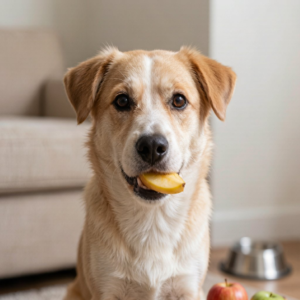
Fruits and vegetables add useful nutrients and fiber to a rabbit's diet, but not all are safe, and too much causes diarrhea or obesity. Avoid onion, leek, garlic, and chives, herbs like basil and rosemary, and citrus, grapes and raisins, cherries, and persimmons. Hay should be the staple; treats of produce should be only 10-15% of the daily diet. Introduce new foods slowly, wash them well, remove pits, and clear away any leftovers so they do not spoil and upset the gut.

Key Management for Raising Baby Rabbits
A baby rabbit is usually one from weaning to three months, the hardest age to keep and the time with the highest death rate. Here are the key management tasks to raise survival.

Why Is My Rabbit Suddenly Limp All Over?
A limp rabbit may be from calcium deficiency, low blood sugar, low energy intake, or cold/hard-to-digest food. Tell normal rest (jumps up when called) from pathology (slow, won't move or eat). Hypoglycemia needs warming and syringe-fed glucose water, then a vet. Feed on schedule with hay and pellets, and see a vet for persistent limpness or dry stool.

Care Before and After Plucking a Long-Haired Rabbit’s Fur
Before plucking, comb the fur to prevent matting. After, strengthen feeding with digestible, nutritious feed and add some vitamins. This article covers more tips and cautions for plucking long-haired rabbits.

How to Set Up a Rabbit Hutch
Rabbits live in cages long term, so a comfortable hutch is essential, and place it away from damp, dark spots. This article details the items and cautions for setting up a rabbit hutch.
How to Improve Rex Rabbit Pelt Quality
Rex rabbit pelt quality depends on breeding, early growth, and feeding. Use cross-line breeding with strong lines, push weight gain before 3.5 months then limit it, feed complete pellets with additives, keep the hutch near 25°C and 55 to 65% humidity, and slaughter at about 5 months and 2.5 to 3 kg.

When Can Rabbits Breed and Become Pregnant?
Rabbits reach sexual maturity at 3.5–4.5 months but should not be bred that early, or their own development and the litter suffer. Wait until the rabbit weighs 70–75% of its breed's adult weight — about 4–8 months depending on size — and breed in spring for the best conception and litter size.

Lop Rabbit Care Essentials
Lop rabbits make popular pets but need correct care. Buy a 2 to 3 month healthy one, feed pellets and hay as staples with small vegetable and fruit treats (none under 6 months), never meat or spicy food, and keep cats away to avoid toxoplasmosis. Litter-train early, walk at dusk on safe ground, keep 18 to 25°C, and groom, bathe monthly, and trim nails.