Search Results
341 results for “rabbit feeding”

What to Do About Rabbit Constipation
Rabbit constipation often comes from dry food, low water, or too little fiber and exercise. Relieve it with diet changes, probiotics, outdoor exercise, and hairball remedies to keep the gut moving.

What to Do When Your Rabbit Loses Its Appetite
A rabbit that stops eating is a warning sign. This article explains common causes of poor rabbit appetite—spoiled food, gut issues, nutritional gaps—and how probiotics, diet changes, and vet checks can restore it.

How to Improve Your Rabbit’s Appetite
Rabbits lose interest in food from boredom, lack of exercise, heat, or a bland diet. Practical ways to boost appetite include varied feed, daily playtime, cool surroundings, and a little honey or tasty treats.

Redness Around a Rabbit’s Eyes
Redness around a rabbit's eyes is abnormal. Common causes include foreign-body irritation, long hair, bacterial growth, and trauma. This article lists the causes and matching fixes.

Why a Rabbit’s Eyes and Nose Look Wet
Wet eyes and nose in a rabbit can mean a cold, moisture from drinking, or eye irritation from debris. A careful check is needed to find the cause—this article explains the responses.

How to Treat Eye Inflammation in Rabbits
Eye inflammation in rabbits shows as constant tearing, thick discharge, and red, swollen eyes. Act promptly—isolate the rabbit, clean the eyes, keep its diet light, and watch for pasteurella-related rhinitis. Left untreated, it can worsen or even cause blindness.

Nine Measures for Steady, High-Yield Rabbit Breeding
Steady, high rabbit yields come from selecting strong breeding stock, mating at the right time, careful feeding, protecting pregnancy (days 10-20 are highest risk), assisted birth, attentive postpartum and kit care, and timely weaning at 40-45 days.

7 Measures to Fatten Meat Rabbits Quickly
Fattening meat rabbits well depends on careful kit and doe management, timely supplementation from 18 days, balanced nutrition, constant access to water, stage-based feeding amounts, and proper stocking density. Plan for roughly 40-60 g of compound feed per kit early on, rising through the 60-120 day finishing stage.

Measures to Boost Rabbit Litter Yield in Autumn
Autumn is the peak breeding season for rabbits, but it is also their molt, so extra nutrition is essential to keep breeding stock in condition. Feed bucks and does differently, choose strong genetics, and manage mating and pregnancy carefully to raise litter size.
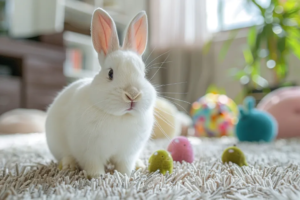
Measures Owners Should Take for Long-Haired Rabbits in Winter
Winter care focuses on cold protection; short daylight and scarce greens also challenge raising. We hope this helps the rabbit through winter.