Search Results
107 results for “rabbit eating fur”

Emergency Care for a Kit Rabbit in Shock
Kit shock usually follows a long, difficult birth and can kill within 10–15 minutes. This guide covers the warning signs and the quick warming, glucose, and heating steps that can save a newborn rabbit.

Symptoms of Infectious Rhinitis in Rabbits
The clearest sign of infectious rhinitis is constant sneezing, later with thick, pus-like nasal discharge. Left untreated it can advance to pneumonia and death, so don't mistake ordinary dust-sneezing for the disease — especially if it only happens at mealtimes.

Things to Avoid When Raising Rabbits
Raising rabbits has several do-nots. Avoid these to keep your rabbit healthy and by your side longer: lack of companionship, impatience, violence, starving, teasing with food, too many vegetables or fruit, raw water, shaving the coat, and temperatures that are too high or too low.

Do Rabbits Bite, and When
Yes, rabbits can bite, but not without cause — usually when frightened, needing to chew, feeling hostility, or guarding possessions. Their teeth are sharp, so any bite needs prompt wound cleaning and medical care. Giving chew items and handling gently prevents most bites.

How to Prevent and Treat Rabbit Hairballs
Rabbit hairball disease is easy to treat and prevent if caught early—usually just hairball paste. Here is how to prevent it.
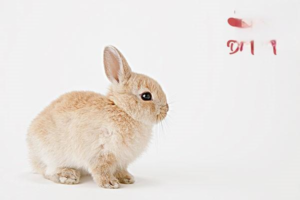
Why Do Rabbits Eat Their Fur and How to Stop It
Many rabbit keepers report rabbits constantly eating their own fur until they're nearly bald. Here are the causes of fur-eating and how to handle it.

Treating Mucoid Enteritis in Young Rabbits
Young rabbits (40–70 days) are highly susceptible to mucoid enteritis from pathogenic E. coli and its toxins; mortality is high. This guide covers symptoms, diagnosis, antibiotic/supportive/herbal treatment, and prevention.

A Complete Guide to Preventing Rabbit Diseases
Disease prevention is a vital part of rabbit management, yet most farms are weak here. Here are some prevention and control measures to ease the burden on rabbit keepers.

Preventing and Treating Rabbit Colibacillosis (E. coli)
Rabbit colibacillosis is an explosive, high-mortality intestinal disease, especially in 1–4 month kits. This guide covers symptoms, necropsy findings, diagnosis, prevention, and oxytetracycline/streptomycin treatment.

Infectious Rhinitis in Rabbits
Infectious rhinitis is a chronic rabbit disease triggered by allergens or viruses (often Pasteurella and Bordetella bacteria), and frequent sneezing is its hallmark sign. Allergen-driven cases clear once the trigger is removed, while viral cases need medication — and the sooner treatment starts, the better.