Search Results
60 results for “rabbit constipation”
What does fiber do for rabbits?
Crude fiber is an essential nutrient for rabbits that aids digestion and maintains intestinal health. Insufficient fiber easily causes digestive problems like constipation and diarrhea. Proper crude fiber also helps prevent hairballs and maintain ideal weight. Provide fiber-rich foods to ensure adequate intake.
How often do rabbits defecate?
Rabbits are constant feeders, so they poop often—usually right after eating. Normal droppings are black, pea-sized pellets with a slight sheen. Reduced or absent stool suggests constipation; add water and a gut probiotic.

Why Can’t Dogs Digest Fur?
Cats and dogs both swallow fur, but cats vomit it up and dogs don't. Today we look at the fur dogs ingest.

Causes of Postpartum Feed Refusal in Does
Postpartum feed refusal has become a major obstacle in rabbit farming. A doe that won't eat produces less milk, so kits get inadequate nutrition, weakening immunity, slowing growth, even causing death. This article analyzes the causes.

Chinchilla laniger
The Chinchilla laniger (Chinchilla laniger) is native to the Andes Mountains of South America, where it lives in caves and rock crevices at about 1,600 m elevation. Its appearance resembles that of a rabbit and a squirrel. A special feature is its pair of large, bright, ruby-red eyes, which are beautiful.
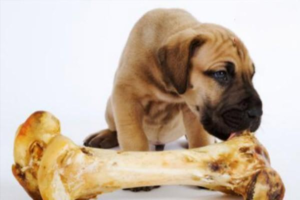
Should Dogs Eat Bones? How to Do It Safely
Vets often warn against bones because they are hard to digest and can block the gut, yet they also clean teeth, calm boredom, and add calcium. If you do give them, choose raw, large, non-hollow bones and avoid cooked poultry bones that splinter; cartilage, pressure-cooked bones, fish heads, necks, tails, frames, and pork fans are safer picks.

The Dangers of Feeding Bones to Dogs
Feeding bones to dogs can cause intestinal blockages, mouth injuries, nutritional imbalances, and constipation. If you do offer bones, choose large, hard varieties (never small or brittle ones like chicken or fish), boil them plain, and keep the amount and frequency low.

What to Do If Your Dog or Cat Has Tapeworms
Many species of tapeworms parasitize dogs and cats, and the adult worms seriously harm their health, while the larval stages often use livestock or humans as intermediate hosts, threatening both animals and people. Common species include Dipylidium caninum, Taenia spp., Echinococcus granulosus, Mesocestoides, Spirometra mansoni, and Diphyllobothrium. Infection causes intestinal inflammation, malnutrition, and in severe cases intestinal blockage, with signs like vomiting, diarrhea, weight loss, and odd behavior. Diagnosis relies on clinical signs plus fecal egg exams. Prevention means regular deworming, not feeding raw offal, and controlling fleas. Treatment uses praziquantel (5 mg/kg dogs, 2 mg/kg cats), arecoline hydrobromide, bunamidine, or fenbendazole under veterinary guidance. Because some tapeworms (like Echinococcus) also endanger human health, prompt and correct control matters.

Soft Stools After Switching Cat Food? Here’s Why
Cats are built for high protein, so a new high-protein food alone shouldn't cause trouble—but sudden switches often do. Long-fed low-protein diets leave the gut making few protein enzymes, so a jump to rich food causes indigestion, vomiting, and loose stools; use the 7-day transition. If soft stools persist, it may be an allergy to a specific animal protein or a filler like pea; try a different protein or a single-source food. Also note many foods use beet as a mild anti-diarrhea agent, so dropping it can loosen stools—and weak-stomached cats do better on set mealtimes.

White Chinchilla
The white chinchilla is a coat-color morph of the chinchilla (Chinchilla lanigera), native to the Andes of South America. It likes dry, cool, dim places, is nocturnal, gentle and very timid, and commands a higher price for its pure white coat.
- « Previous
- 1
- …
- 4
- 5
- 6