Search Results
60 results for “rabbit constipation”

What to Do About Rabbit Constipation
Rabbit constipation often comes from dry food, low water, or too little fiber and exercise. Relieve it with diet changes, probiotics, outdoor exercise, and hairball remedies to keep the gut moving.
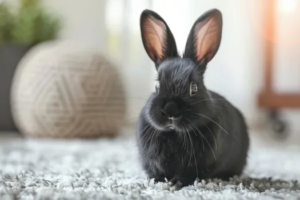
Rabbit Constipation: Causes and How to Prevent It
Rabbit constipation, common in young and old rabbits, comes from dry hardened gut contents due to poor feeding, too much concentrate, low water, or too little exercise, and can block the gut. Signs are poor appetite, hard small stools, then no stool with a painful belly and palpable hard masses. Prevent with balanced feed and water plus exercise; treat early with greens and, for severe cases, sodium sulfate or salt laxatives.
Causes and Symptoms of Constipation in Rabbits
Rabbit constipation shows as reduced appetite, hard dry droppings, a swollen tender belly, and stopped defecation. Causes include poor diet, low water, little exercise, and anal disease; treatment is food withdrawal, water, enema, and oils.
What Are the Symptoms of Constipation in a Rabbit?
Constipation brings reduced appetite, weak or absent gut sounds, lethargy, and straining. Early on, small hard droppings appear, then frequency drops until no stool. Adjust diet, water, and exercise; see a vet if severe.

How to Prevent Rabbit Gastroenteritis
Rabbit gastroenteritis can kill within hours to days, especially in kits, so prevention beats treatment. Feed clean, regular, balanced meals; avoid spoiled or frozen food and over-rich concentrates; treat bloat early with vinegar or herbal tinctures; and keep the hutch dry and the rabbit moving to avoid constipation.

Why Is My Rabbit Not Eating and Lethargic?
Not eating with low energy signals a gut problem—most often dehydration, constipation, or the dangerous intestinal obstruction (blockage). A blockage is life-threatening, so act fast: keep the gut moving with forced feeding, gentle exercise and belly massage, and steady water, and get to a vet if it doesn't improve.
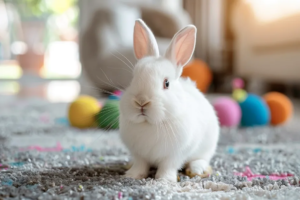
How to Fatten Meat Rabbits Quickly
Fast fattening of meat rabbits relies on careful kit management, supplemental feeding from 18 days, ample water, staged rations (40–60 g feed at 60 days, 90–120 g at 60–120 days), mixed-age grouping to boost intake ~15%, and disease prevention.
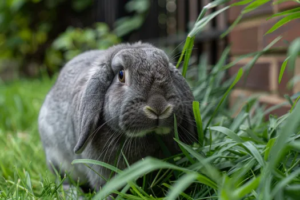
Rabbit Feeding Rules
The kit-to-juvenile stage needs extra care. Vaccinate at 30–45 days, feed weaned juveniles pellets four times daily in small amounts, limit greens for light kits, give breeding stock peanuts, and never use chicken or pig feed—only rabbit-specific pellets with alfalfa-based hay powder.

Reasons Why Rabbits Won’t Eat and How to Solve It
Rabbits not eating is very common. Why don't rabbits eat? Except for illness, the problem is more about the food fed, so for the problem of rabbits not eating, we have to find a solution from the food. Below we talk about the reasons why rabbits don't eat and the corresponding solutions.
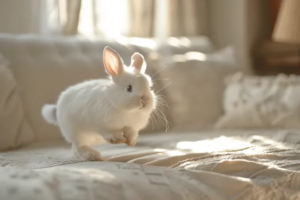
How to Prevent and Treat Rabbit ‘Big Belly’ Disease
Rabbit big-belly disease strikes weanling kits and can kill in 2–3 days, driven by moldy feed or poor nutrition. Prevention is clean feed and a correct formula; treatment ranges from grass-and-exercise to metoclopramide and antibiotics.