Search Results
719 results for “quiet environment”
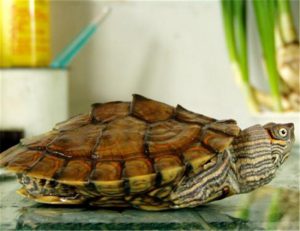
Graptemys pseudogeographica (False Map Turtle)
The false map turtle is a map turtle that is less commonly kept than sliders, needing clean water and a quiet environment. It is omnivorous but especially loves shrimp, and is distinguished by bright yellow markings behind the eyes.
What should I do if my dog keeps having diarrhea after coming home?
Continuous diarrhea after arriving home is often a stress response. Withhold food briefly, give pet probiotics, keep the dog warm and hydrated, and provide a quiet environment so it can adapt gradually.

Preparing for Your Cat’s Delivery
A smooth delivery depends on the owner's preparation. Set up a quiet, safe nesting box with food and water nearby well before labor, and learn the warning signs — such as restlessness — that birth is near. Keep other pets away and be ready to move a nervous cat into the whelping box.

Why Doesn’t Your Parrot Talk?
A parrot that stays silent usually comes down to one of two things: its species simply lacks the ability to mimic human speech, or it hasn't been trained the right way. Only a few species — African greys, Amazons, cockatoos, macaws and derbyan parrots — can truly learn words, and even then early-morning, quiet, food-rewarded sessions work best.
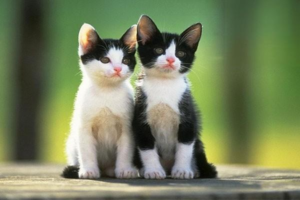
Caring for a Pregnant Cat: Key Precautions
A pregnant cat needs gentle exercise and sunlight, regular grooming, and a quiet place to rest, with a familiar whelping box set up about ten days before delivery. Keep her from jumping down from heights or clearing obstacles, and support her belly when you pick her up so the developing kittens are never compressed.

How to Treat Feline Rhinotracheitis (Cat ‘Snuffles’)
Feline rhinotracheitis is essentially a cat upper-respiratory infection: it starts with watery eye and nose discharge and, if the virus spreads, progresses to thick pus, swollen eyes, poor appetite, and labored breathing, sometimes ending in pneumonia. Treatment works best in stages — supportive care early, nebulization and antivirals mid-way, and antibiotics only if it worsens.

Chinchilla Care Essentials
When keeping a chinchilla, never feed spicy or cooked food — many deaths come from bad diet. In hot summers, cool them down. The author shares more chinchilla care notes.

How to Care for a Recovering Dog
Today let's learn together how to care for a recovering dog.
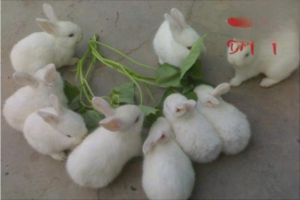
Why Is Your Rabbit Twitching or Having Limb Spasms?
Rabbit limb twitching can signal coccidiosis (often fatal in kits), low blood sugar, or epilepsy. This article explains each cause and the response—coccidia prevention, glucose first aid, and a calm environment for epileptic rabbits.

How to Help a Hamster Mother Build Her Nest in Peace
Right after birth, a hamster mother's first act is to build a nest for the nursing period. This guide covers quiet, space, and warm bedding so she nests calmly and doesn't cull the litter.