Search Results
719 results for “quiet environment”

Preparing to Bring a Cat Home: A Starter Checklist for New Cat Parents
Bringing a cat home for the first time? Get the everyday essentials ready before the big day so your new companion settles into its new environment quickly and with less stress.

What to Do About Cat Stress (Stress Response)
Stress weakens a cat's immune system and can trigger bladder, gut, and breathing problems along with anxiety. A calm environment, a safe hideaway, and patience help; good early socialization prevents much of it.
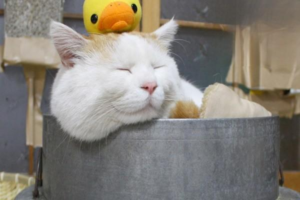
How to Stop a Cat From Peeing Outside the Litter Box
Inappropriate urination usually falls into two patterns — territorial marking or true accidents — and the cause can be medical, emotional, hormonal, or about the box itself. Finding which one it is guides the fix, and punishment only makes it worse.

How to Train a Cat That Poops or Pees Outside the Litter Box
When a cat starts eliminating outside the litter box, it is usually signaling something specific: an unpleasant box, stress, a medical problem, or territorial marking. Figuring out which pattern you are seeing is the key first step, and most cases improve once the underlying cause is addressed.

Why Does a Husky Howl Like a Wolf?
Huskies howl because they carry wolf ancestry, but the behavior also signals hunger, a bid for attention, defiance, or a territorial alert. Reading the situation around the howl helps you respond to what your dog actually needs.
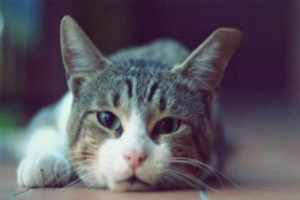
What to Do When Your Cat’s Immunity Is Low
Immunity is the cat's firewall against the bacteria and viruses around it; once it falls, illness follows. Lift it with complete, healthy food, an immune supplement and vitamin B, plus exercise and a calm, quiet home.

Helping Your Dog Through a Safe Pregnancy
A pregnant dog needs extra calcium, quiet, gentle exercise, careful handling, and measured nutrition. Meeting these five needs helps the pups grow and keeps the mother steady through to a smooth delivery.

What to Do When a Mother Cat Won’t Eat After Giving Birth
A new mother cat may refuse food due to exhaustion, stress, a noisy environment, or a postpartum infection. Brief fasting is normal, but prolonged refusal needs a vet check for retained kittens or infection. Soft, nutrient-rich meals and a calm space help her recover.

What to Do When Your Cat Catches a Chill
Cats catch colds easily from baths, seasonal shifts and temperature swings. Treat early to prevent the illness from deepening into something worse. Symptomatic care plus warmth, hydration and good nutrition usually gets a mild case back on track.
- « Previous
- 1
- …
- 70
- 71
- 72