Search Results
719 results for “quiet environment”

Altum Angelfish (Pterophyllum altum)
The altum angelfish (Pterophyllum altum) is found in the Orinoco basin of Venezuela and Colombia. Not very hard to keep, but it needs oxygen-rich, roomy water and must not be frightened. Because it is hard to tame, artificial breeding is difficult and it should not be mixed with small fish.
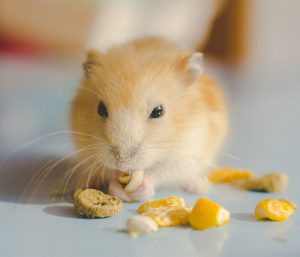
Winter White Dwarf Hamster (Milky Tea morph)
The 'milky tea' hamster is a coat-color morph of the Winter White dwarf hamster (Phodopus sungorus), named for its even, milk-tea-colored back. Some show the 'winter white' effect, turning silvery white in cold weather and reverting when warm. It is one of the prettiest of the dwarf hamsters and good for beginners.

Red-breasted Parakeet
The Red-breasted Parakeet (Psittacula alexandri), also called the Moustached Parakeet, is a common, green-plumaged pet parrot prized for its ability to mimic speech. Talking takes patient training, and sexes differ in beak and throat color. It needs a roomy cage or a tether, a varied diet, and an owner willing to invest time.

Cardinal Tetra
The cardinal tetra (Paracheirodon axelrodi) is a small South American characin with a glowing blue-green stripe and red lower body. A peaceful schooling fish, it needs soft acidic water at 24–26 °C and dim light.

Stripe-necked Leaf Turtle
The Stripe-necked Leaf Turtle (Cyclemys tcheponensis) has a broad distribution and healthy wild populations, and even wild-caught individuals adapt well to human care. A semi-aquatic species, it favors shallow water adjoining land; adults prefer fruit while juveniles lean toward meat.
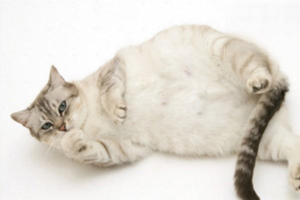
Helping Your Pregnant Cat Through a Safe Pregnancy
Many owners have never dealt with a pregnancy, so a pregnant cat can be puzzling. The essentials are steady calcium, a quiet space, gentle movement, careful handling, and balanced nutrition. Getting these right helps the queen and her kittens stay healthy.

How to Make Your Indoor Cat Happier
Indoor cats need enrichment to stay happy: clean litter boxes, quality food, toys, scratching posts, perches, and daily play. A stimulating home keeps a curious cat healthy and content.

Helping Your Schnauzer Through the Stress Period
It is normal for a puppy to show stress after arriving home, but a few habits make the adjustment smooth: bond early through the first cuddles and daily feedings, keep the old food (soaked soft), and give it a quiet, warm, crate-like place to sleep. If mild signs like poor appetite, low spirits, or slight vomiting and diarrhea appear, stay calm, rule out infection, and let rest and a sensible diet do the work.
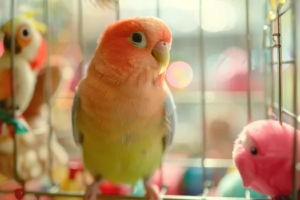
How to Train a Parrot to Talk: Methods and Tips
Teaching a parrot to talk is built on a real bond, the right timing, and patience — not an inborn skill. Train in the quiet of early morning when the bird is alert and hungry, start with simple greetings, reward progress with treats, and lean on a recorder on busy days; males often pick up words faster.

Why Dogs Pant Heavily
Panting is usually a dog's normal way of cooling down — they have almost no sweat glands and rely on rapid breathing to shed heat. But panting with no clear trigger, especially in cold weather, can signal fever, respiratory disease, or other serious illness.