Search Results
158 results for “protein deficiency”
How long does it take before you can tell a dog is pregnant?
A pregnant dog usually shows clear signs around day 45 - the abdomen enlarges, the breasts swell and may leak milk, and you'll notice increased appetite, weight gain, and more frequent urination. Litters of only one or two puppies may show little belly growth. During pregnancy, boost protein and calcium to prevent post-whelping calcium deficiency.

What to Do When Your Rabbit Is a Picky Eater
A picky rabbit may refuse food because of taste preference, a recent environment change, or dental trouble. Offer variety, fresh food, and a gradual switch to new items, and avoid overfeeding treats. Check teeth and mouth regularly, keep the diet balanced, and give enough space and exercise. Persistent pickiness with other symptoms warrants a veterinary check, since poor intake risks nutrient deficiency and weak growth.
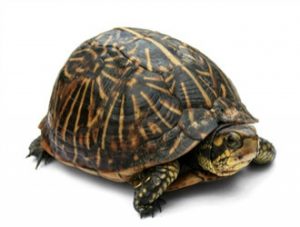
Florida Box Turtle
A strikingly patterned subspecies of the common box turtle from Florida, with a high domed shell, a hinged plastron, and a lifespan that can exceed a century.
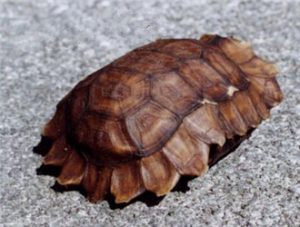
Forest Hinge-back Tortoise
The African hinge-back tortoise (Kinixys erosa), also called the forest hinge-back, is one of the most prized hinge-back tortoises from Africa. It can fold the rear of its carapace — a unique defense and breathing aid — and demands high humidity and experienced care.

Sonoran mud turtle
The Sonoran mud turtle is an uncommon, nocturnal musk turtle from the southwestern United States and northern Mexico, notable as the only subspecies in its group with night-active habits. A medium-sized aquatic turtle, it adapts well to captive care once settled.

Home’s Hinge-back Tortoise
The Home's Hinge-back Tortoise (Kinixys homeana) is a shy, high-difficulty African tortoise known for its hinged rear carapace and a 90-degree rear shell drop. It prefers warm, humid conditions with ample shade and a varied omnivorous diet, but is prone to stress-induced sudden death, so it is not recommended for beginners.

Zinc Metabolism Disorders in Dogs and Cats
Zinc metabolism disorders in dogs and cats include zinc deficiency, stunted growth, diarrhea, and a crusting dermatitis around the eyes, mouth, and genitals, and zinc excess, causing lethargy, vomiting, and gut inflammation. Deficiency is corrected with dietary zinc and a balanced ration.

Manganese Metabolism Disorders in Dogs and Cats
Manganese metabolism disorders in dogs and cats are usually deficiency, causing bone deformity, joint swelling, lameness, and reproductive disturbance, with rare toxicity causing reduced fertility and local albinism. They are corrected by balancing dietary manganese.

Iron Metabolism Disorders in Dogs and Cats
Iron metabolism disorders in dogs and cats include iron deficiency, microcytic hypochromic anemia with weakness and poor endurance, and iron overload from excess intake or poisoning, causing gut signs and acidosis. Deficiency is corrected with dietary iron and treatment of blood loss or parasites.

Diabetes Mellitus in Dogs and Cats
Diabetes mellitus in dogs and cats is a disorder of insulin deficiency or resistance that causes persistently high blood sugar. Classic signs are excessive drinking, eating, and urinating with weight loss, and treatment centers on diet, insulin or other glucose-lowering medication, and monitoring.