Search Results
158 results for “protein deficiency”

Feline Vitamin Deficiency Syndromes
Of the vitamins cats need, some are made by the body, some from food. Lack of a specific vitamin causes a specific deficiency syndrome; long ignored, it can be fatal.
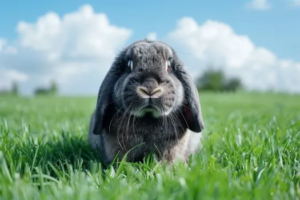
How Nutrient Deficiency in a Breeding Buck Affects Mating
A breeding buck's balanced nutrition directly drives semen quality and mating ability. Lack of protein lowers libido and sperm vitality; vitamin A deficiency cuts sperm count and raises deformities; and low phosphorus or calcium impairs sperm development — so keep the diet complete, with effects taking ~20 days.
What deficiency makes a dog have trouble moving its legs?
Trouble moving can have many causes; lack of key nutrients is important, especially calcium—vital for bones/joints. Low calcium or poor absorption causes poor bone development and osteoporosis, leading to unstable walking, lameness, joint deformity. Vitamin D aids calcium use; lack of it or of protein/phosphorus also hurts bones/muscles.

Niacin (Vitamin B3) Deficiency in Dogs and Cats
Niacin (vitamin B3) deficiency in dogs and cats causes pellagra-like signs, oral and esophageal ulcers, black tongue in dogs, diarrhea, anemia, and symmetric dermatitis. It follows corn-heavy diets low in tryptophan, and is corrected with dietary niacin.

Folate (Folic Acid) Deficiency in Dogs and Cats
Folate deficiency in dogs and cats impairs nucleic acid synthesis, causing megaloblastic anemia, poor appetite, diarrhea, and skin or mouth inflammation. It arises from low-protein or overcooked diets, gut disease, or high demand in pregnancy, and is corrected with folate and good nutrition.
Canine and Feline Insulin Deficiency (Diabetes Mellitus)
Diabetes mellitus develops when the pancreas cannot make enough insulin, so blood sugar stays high. It causes increased thirst and urination, weight loss, and poor appetite, and is managed with insulin therapy plus dietary and weight control.
Why isn’t my Teddy’s coat curly?
A straight coat may mean mixed bloodline, or result from shaving, skin disease, or poor nutrition; protein deficiency makes hair dull and straight.

What Palatants Are Used in Cat and Dog Food?
What exactly is a palatant? In Europe and America, pet-food regulations ban many chemical flavorings, so under strict pet-food standards, yeast and animal fats are used there as palatants.

Common Causes of Hair Loss in Hamsters
Hamster hair loss has many causes beyond normal shedding: old age, low dietary protein, skin friction in the cage, seasonal molting, over-grooming, pregnancy, and hormonal imbalance (including male-pattern baldness from excess testosterone). Identifying the cause lets owners apply the right fix.

Is It Normal for a Chinchilla’s Whiskers to Shorten or Fall Out?
Shortening or lost whiskers can be normal (natural wear, mutual nibbling, routine shedding) or a sign of trouble (barbering, disease, or poor nutrition). Normal loss needs no action, but sudden heavy loss with redness or fur loss warrants a vet visit.