Search Results
121 results for “potassium permanganate”
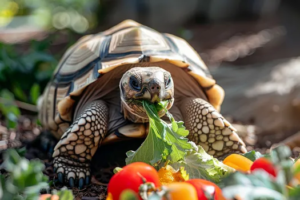
How to Prevent and Treat White Eye Disease in Turtles
White eye disease is a common turtle illness that causes eye inflammation, swelling, and a white film over the eyes, and can stop the turtle eating and even prove fatal. Keep the enclosure water clean and well-aerated, treat mild cases with antibiotic eye ointment, and use injections for severe infections.

What to Do When a Blood Parrot Fish’s Fins Rot
Fin rot in blood parrot fish is usually caused by poor water quality or injuries from fighting. Here is how to treat it with water changes, medication, and isolation.
Does my turtle have skin rot? It was like this when I got it home
Skin rot shows as ulcers, gray-white patches, whitened skin and local tissue death, often from poor water or infected wounds. Dry keeping plus iodine and antibiotics is key.
How Long Does It Take an Arowana’s Broken Tail to Heal After a Fight?
Recovery from a broken tail depends on the damage: minor cases heal in days, severe ones may take 1 to 2 months. Juvenile arowanas recover faster.
How long does it take an arowana’s tail rot to heal?
Arowana tail rot heals in 1-2 months. Fix water quality, treat injuries with permanganate, or use oxytetracycline baths for bacterial causes.
What should I do if my flowerhorn has tail rot?
Flowerhorn tail rot: early salt/yellow-powder baths (2-3 days), mid-stage erythromycin/gentamicin (a week), late-stage permanganate (poor prognosis). Treat early.

Satin Rabbit
The Satin Rabbit is a large meat rabbit with dense, satin-smooth fur, weighing around 5 kg. Though mainly a meat breed, its cute upright ears make it suitable as a pet too. Proper fattening before marketing maximizes its meat yield.

Fujian Yellow Rabbit
The Fujian Yellow Rabbit is an excellent Chinese meat rabbit breed with a short production cycle and high meat yield. Small but fast-growing and well adapted to local conditions, its tender, nutritious meat is praised as 'brain-boosting' and 'beauty' meat.
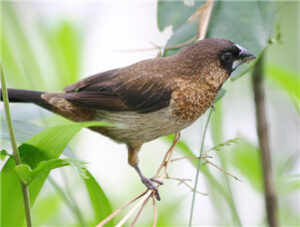
White-rumped Munia
In old times, street fortune-tellers often carried caged birds that would pick out prophecy slips, calling them 'magic sparrows' to deceive people. That 'magic sparrow' was the White-rumped Munia, a seed-eating bird that is bold and tame and easy to keep in a cage.

Java Sparrow
Wild Java Sparrows have plain plumage, but selective breeding has produced many color variants. Now found worldwide, the Java Sparrow has been bred into various new colors and has become a world-famous cage bird.