Search Results
121 results for “potassium permanganate”
What is the correct way to cycle a new aquarium?
Cycling a new tank means disinfecting, then running filter and aeration with nitrifying bacteria until clear, and testing with hardy fish before adding ornamental fish. Proper cycling keeps the water safe.
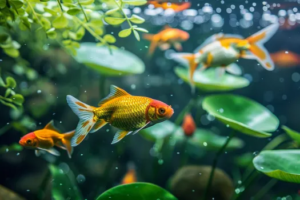
What to Do When Your Goldfish Is Swimming Upside Down
A goldfish floating or swimming upside down is alarming but common, usually caused by poor water quality, overfeeding, low oxygen, cold or fluctuating temperatures, or swim bladder disease. Act quickly to add oxygen and prevent long-term damage from suffocation. Season, temperature, water quality, dissolved oxygen, pH, feeding, and water-change frequency all affect a goldfish's health, so careful husbandry matters. You can relieve mild cases by improving water quality, boosting aeration, and raising the temperature—but if the problem is severe or persists, consult a veterinarian or an aquatic specialist for proper treatment.
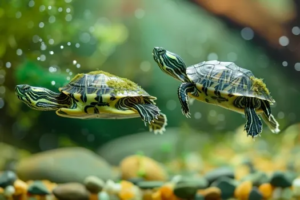
White Fuzz on Your Turtle’s Neck: Shedding or Water Mold?
White fuzz on a turtle can be normal shedding or a sign of water mold disease. If the fuzz has a clear texture with no soft rot, it is likely shedding—just give more sunlight. If fuzz appears on multiple areas and looks rotting, it is probably water mold and the turtle should be isolated and treated. The root cause is usually overcrowding and polluted water; prevent it with good nutrition, wound care, and regular water changes.

Treating and Preventing Turtle Water Mold Disease
Poor water quality from leftover food and waste is the root cause of turtle water mold, usually from poor management. Treatment uses antifungal medication—povidone-iodine applied topically, diluted soaks, gentle brushing, or in severe cases miconazole ointment with dry-docking—always keeping the environment at 28–32°C. Prevention means sunlight, prompt cleanup of food waste, regular water changes, and isolating sick turtles. Do not confuse water mold with normal shedding.

How to Treat Water Mold Disease in Turtles
Water mold disease in turtles is best caught early, since most medications only work in the initial stage. The two core approaches are raising the water temperature to 28–30°C, which suppresses the fungus, and dry-docking the turtle so the fungus dies without water. For severe cases, antifungal medications such as povidone-iodine are applied topically. Combined with warmth and dry-docking, these methods give the best recovery, while preventing injury and keeping water warm remain the best long-term defense.

How to Choose and Care for Goldfish
Keeping goldfish starts with choosing healthy fish, especially for beginners who may otherwise face sudden illness. Avoid fish that float head-down, list to the side, or show wounds, lost scales, white fuzz, white spots, bloodshot fins, cloudy eyes or faded color. Feed a varied diet of live foods or quality pellets, use fixed times and spots, keep one year-old fish to about 10 litres of water, and maintain clean, stable-temperature water to prevent disease.
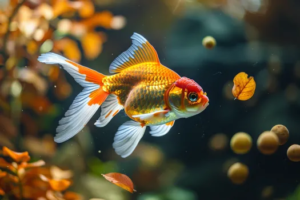
4 Common Goldfish Diseases and How to Treat Them
Goldfish commonly face white spot disease, pinecone (dropsy) disease, print disease, and hemorrhagic disease. Lower the risk with good, stable water quality, steady temperature, and avoiding stress and physical injury. Keep water clean with regular changes and enough oxygen, and adjust temperature with the weather. Healthy water is the foundation of goldfish health.
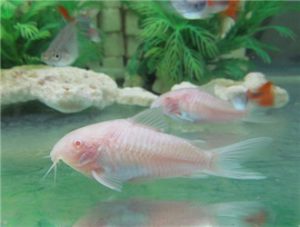
White Corydoras
The White Corydoras is native to South American waters and is now mostly captive-bred. An albino form of the Bronze Cory, it has a milky white body with clear red eyes, is gentle, and is kept in schools. Egg-laying and good with small fish, it suits planted tanks as a bottom fish.
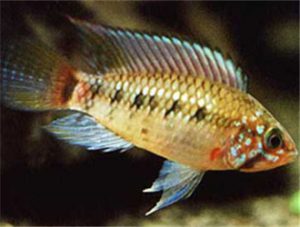
King Dwarf Cichlid
The King Dwarf Cichlid has a golden-yellow body, but unlike other dwarf cichlids it is not richly colored; still, its distinctive golden hue attracts many enthusiasts. It prefers soft water, so water quality requires attention in captivity.

Tancho Kohaku Koi
The Tancho Kohaku Koi is a white koi with a single red spot on the top of the head, earning the feng shui name 'good fortune ahead.' A temperate fish, it is hardy but sensitive to temperature swings over 4°C. Popular as a feng shui fish for career luck.