Search Results
121 results for “potassium permanganate”
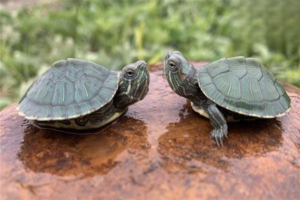
Essential Turtle Care Tips for Beginners
New to turtles? Use a disinfected, escape-proof tank; let tap water sit in sunlight 2+ days; keep water at 0.5–1× shell depth and change it at the warmest time of day; hold temperature near 25°C; give a basking platform for daily sun; and feed chopped, de-spined food to hatchlings. This guide covers the basics.

Why Is My Silver Arowana Losing Scales?
Scale loss comes from poor water, chasing new fish off its territory, or disease like red-skin or pinecone. Fix the water and isolate, give more space, or medicate - and know recovery takes one to six months.
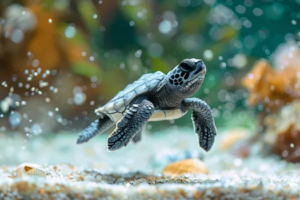
What to Do If a Red-Eared Slider Has Shell Rot
If the water for keeping a red-eared slider is substandard or infected, shell rot easily develops. It's a common disease in red-eared sliders, change water often to keep it clean and prevent it. But what if your slider gets shell rot? Our pet care specialists introduce the symptoms and treatment.
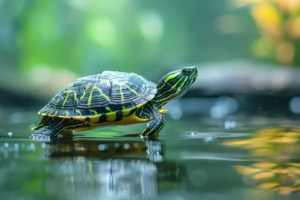
How to Treat Shell Rot in Turtles
Shell rot is a common external disease in pet turtles. The symptoms are obvious and easy to diagnose, but it's tricky to handle, and many beginners are at a loss. Poor handling can worsen or even kill the turtle. Today our pet care specialists detail the treatment methods, hoping to help.
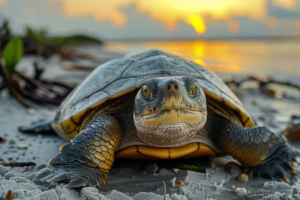
How to Manage and Care for Turtles in Summer
Although summer is the fastest growth period, with big appetite and fast growth, poor management still hurts results. Our pet care specialists detail the key summer issues to help improve your turtle-keeping.

Causes and Treatment of Arowana Tail Loss
Arowana tail loss has long troubled keepers. Though not fatal, it seriously hurts appearance. How to avoid it? Our veterinarian explains the causes so keepers can prevent and reduce tail rot.
How to Treat Arowana Tail Rot Disease
Tail rot is a common arowana disease; without timely treatment it is hard to cure and may threaten life. What causes it and how to treat and prevent? Our veterinarian details the methods.
My Turtle Has Brown-Yellow Spots at the Base of Its Legs and White Catkin-Like Stuff on Its Feet; What Is Going On?
Yellow patches at the leg base with white catkin-like material may be skin rot. Turtle skin disease shows ulcers, yellow or white patches, whitened skin, and local tissue death; the catkin-like matter may be sloughing skin that can block breathing and swimming.
What Diseases Are Red-Eared Slider Turtles Prone To?
Common red-eared slider diseases include saprolegniasis, shell rot, enteritis, gastroenteritis, parasitic disease, and white-head disease. Fungal infection shows white fuzzy growth on the body; shell rot causes decay of the plastron.
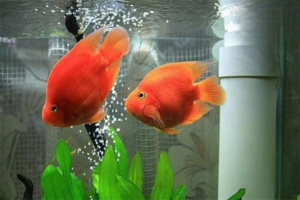
How to Treat Fin Rot in Blood Parrot Cichlids?
Keepers know blood parrot cichlids demand high water quality, and poor water is the top cause of disease, including fin rot. How to treat it? Our team explains causes and treatment.