Search Results
121 results for “potassium permanganate”
Correct way to cycle a new fish tank
Clean and disinfect with potassium permanganate, dechlorinate tap water by sunning 3+ days, add filter media and nitrifying bacteria with aeration, then add hardy test fish before stocking.
How to set up and cycle a new fish tank?
Disinfect with potassium permanganate or salt, rinse, fill with dechlorinated water, aerate 2+ days, add nitrifying bacteria, filter 3+ days, then test with hardy fish.
What medicine for white fuzz on koi?
It's saprolegniasis (water mold). Isolate the fish, treat wounds with iodine, and dip in potassium permanganate ~5 minutes.
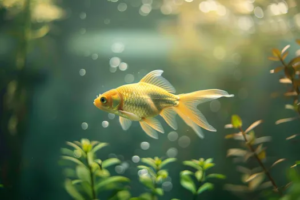
What to Do When Your Arowana Has Tail Rot
Arowana tail rot is usually caused by poor water quality, which these fish are highly sensitive to. Treat it by improving water quality, isolating the sick fish with aquarium salt, applying potassium permanganate to severe lesions, or giving antibiotic (oxytetracycline) baths for bacterial rot.

How to Treat Scale Loss in Blood Parrot Cichlids
Find the cause before treating scale loss in blood parrot cichlids: fighting from overcrowding, poor water with bacteria (leading to red-skin disease or fungus), or injury. Fix overcrowding with a bigger tank or separation and yellow powder; clean the water and add salt or potassium permanganate; for red-skin or fungal disease, isolate, disinfect the tank, and use salt/permanganate or furacillin baths.

How to Treat Feline Rhinitis
Feline rhinitis follows injury or infection of the nasal lining and often turns bacterial; acute cases sneeze, rub the nose, and stream serous-to-mucoid (sometimes bloody) discharge with noisy breathing, while chronic cases drip on and crust, with a foul smell, and can lead to sinusitis or nasal tumors. Treatment flushes the nose, applies local antibiotics or decongestant drops, and tackles the underlying infection — bacterial, fungal, or allergic.

Why Rabbits Lose Fur
Rabbit fur loss usually points to poor nutrition, mange mites, ringworm, or bacterial skin disease — each with its own treatment, from mineral supplements to antiparasitics and antifungals. Clear away loose fur and check feed for trapped hair so the rabbit doesn't swallow it.

How to Prevent Disease in Ornamental Fish
Ornamental fish health rests as much on water as on the fish themselves: stable temperature, clean filtration, and unspoiled food prevent most illness. Daily habits — a properly sized filter, tight control of pH, hardness, ammonia and temperature, close observation of behavior and droppings, and routine disinfection of tank gear and live food — keep disease from taking hold.
What to Do When Blood Parrot Cichlids Fight and Lose Scales, Exposing Flesh
When blood parrot cichlids fight, they tear off scales and can expose raw flesh, which invites infection. Isolate the injured fish and treat it with a 2–3% salt bath plus antibacterial or 'yellow powder' medication, keep the water at 28–30°C, and change it every three days. To stop the fighting, give more space, feed more, or separate the bullies.

What to Do When a Dog Has Urethral Discharge (Pus)
Canine urethral abscess results from urethral inflammation in dogs and requires prompt medication. Bacterial infection of the dog's urethral mucosa is also called a urinary tract infection, medically known as urethritis. Main symptoms include painful urination, urethral swelling, sensitivity of the urethral opening, redness and swelling of the urethral orifice, and difficulty inserting a catheter, more commonly seen in dogs.