Search Results
121 results for “potassium permanganate”

Common Diseases of Parrot Fish
Parrot fish commonly get head-hole disease (highly contagious, fatal), black-spot disease (fungus, most common), and red-skin disease (bacterial). All trace to poor water or temperature; treat with salt baths, yellow powder, potassium permanganate, and clean warm water.
What should I do if my tiger barb’s mouth is rotting?
Tiger barb mouth rot usually means bad water - change it and add salt/conditioner. For bacterial cases, isolate, salt the tank, and treat with potassium permanganate or erythromycin.
How long for a Koi’s lost scales to grow back?
A growing Koi regrows scales in about a month; an adult needs 2-3 months, depending on area and severity. Change water to keep it clean and prevent infection; if needed, bath in potassium permanganate or oxytetracycline.
What Happens with a Turtle’s Skin Rot?
Skin rot shows as ulcers, gray-white patches and dead tissue; if untreated it breeds bacteria, fouls the water and can block breathing and swimming. Isolate the turtle and use oxytetracycline or potassium permanganate baths for severe cases.
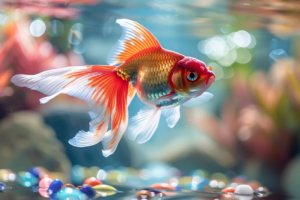
How to Treat Popeye in Blood Parrot Fish?
Popeye (exophthalmia) in blood parrot fish is most often caused by poor water quality and infrequent water changes, though injury or malnutrition can also contribute. Treat by isolating the fish, raising the temperature to 28–30°C, adding aquarium salt, doing daily partial water changes of about a quarter, and applying erythromycin eye ointment — with penicillin, chlortetracycline, or a dilute potassium permanganate rinse for severe cases.
My Red-eared slider has a swollen foot–how should I handle it?
A swollen turtle foot needs diagnosis of the cause. Check for small wounds; if infected, dry-dock and soak in potassium permanganate 15 minutes, then clean with iodine or peroxide and apply erythromycin or chlortetracycline ointment twice daily for two weeks. Massage the limb and feed protein.
Why does my koi have black spots?
Black spots often come from poor or aged water; pollution or excess nitrifying bacteria lowers resistance and invites bacterial infection, needing a one-third water change and tank cleaning. Parasites also cause black spots, needing antiparasitic and potassium permanganate baths.
Can koi sores heal on their own?
Koi body sores cannot heal on their own and need prompt medication. Most are caused by saprolegniasis, a fungal skin infection that shows fuzzy white, gray, black, or green material. Soak the sick koi in diluted potassium permanganate (10 ml per liter, 30 minutes), rinse in 1.5 percent salt water, dab the sore with mercurochrome, then give an oxytetracycline bath.

Causes and Treatment of Scale Protrusion in Ornamental Fish
Common causes of scale protrusion in ornamental fish include poor water quality, parasite infection, and bacterial or fungal infection. Different causes require different treatments, but all involve improving water quality and appropriate medication. When the condition is caused by parasites, the fish can be cleaned with potassium permanganate solution and then treated with albendazole or mebendazole tablets as directed.

How to Disinfect Your Home After a Dog Has Parvovirus
After a dog is diagnosed with parvovirus, thorough home disinfection is essential to protect other pets. Use UV light, high-temperature washing, alcohol or potassium permanganate wipes, vet-approved disinfectants, and daily ventilation, repeating for at least six months.