Search Results
121 results for “potassium permanganate”

River Cooter (Donut Turtle)
A large, colourful, easy-going North American pond turtle - hardy, active, and a good aquarium-kept water turtle, though hybrids blur the subspecies.
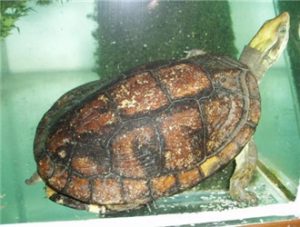
Pan’s Box Turtle
Pan's Box Turtle (Cuora pani) is a small, China-endemic box turtle and a Class II nationally protected species. Rare in the wild and in trade — individual animals can fetch tens of thousands of yuan — it is a prized but legally restricted species that should only be kept where explicitly permitted.
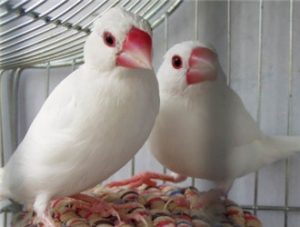
White Java Sparrow
The white Java sparrow is a captive white color form of the Java sparrow (Padda oryzivora), developed in Japan. The chick is grey-backed and turns snow-white as an adult, with red bill and feet. Gentle and people-friendly, it is a popular beginner hand-tame bird, though temperamental toward other birds.
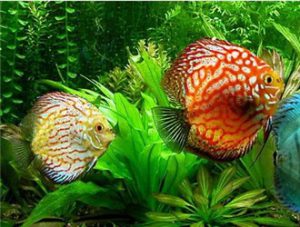
Discus
The Discus is the 'king of tropical aquarium fish,' prized for its round, vividly patterned body and calm schooling nature. A cichlid from the Amazon basin, it needs a large, stable, warm soft-water tank kept as a group, and lives 5–6 years on a careful 'four-fixed' feeding routine.

Koi
Koi (Cyprinus carpio) are ornamental carp kept worldwide as pond fish and symbols of good fortune. Hardy and long-lived — often 60 to 70 years — they are relatively easy to keep, but steady water quality, correct temperature, and a good diet are what keep their colors vivid and their health strong.

Guppy
The guppy (Poecilia reticulata) is a peacock-tailed livebearer from South American river basins—easy to keep, with hundreds of strains. Keep at 22–26 °C, pH 7.0–8.5, and feed a varied diet of flakes, brine shrimp and daphnia.

Burmese Eyed Turtle
The Burmese eyed turtle (Morenia ocellata) comes from southern Myanmar and occasionally appears in the Chinese pet market at reasonable prices with an appealing look. Weak at adapting to new environments, it is nevertheless easy to keep as a largely aquatic turtle.

Tetanus in Dogs and Cats: Symptoms, Treatment, and Prevention
Tetanus is a specific infection caused by Clostridium tetani entering through skin or mucosal wounds, multiplying in low-oxygen conditions, and producing a toxin that causes muscle spasms. Because dogs and cats resist the toxin relatively well, localized tetanus is more common, showing rigidity and spasms in the limb near the wound.

Necrobacillosis in Dogs and Cats: Symptoms, Treatment, and Prevention
Necrobacillosis is a chronic, sporadic infectious disease of livestock and pets caused by Fusobacterium necrophorum, marked by necrosis of the hooves, subcutaneous tissue, or digestive-tract mucosa. It can spread to internal organs (liver, lungs) forming necrotic foci, and sometimes causes oral or mammary necrosis.

Can Dog Hair Carry Rabies Virus?
Rabies virus lives in the saliva and nerve tissue of an infected dog, not in its hair, so simply touching a dog's coat cannot transmit rabies. Infection comes from a bite or scratch, and any bite should be cleaned at once and followed by a rabies vaccine.