Search Results
144 results for “pneumonia in dogs”

Symptoms and Treatment of Canine Distemper
Canine distemper is a highly contagious disease caused by the canine distemper virus (CDV). It is extremely infectious, has a high incidence, varied clinical signs, and easily leads to mixed and secondary infection with other bacteria and viruses; mortality can reach 80%. Recovered animals often keep sequelae such as paralysis, convulsions, and epilepsy.

How Long Does Infectious Tracheobronchitis (Kennel Cough) Take to Heal?
After a cold, a dog may have an itchy throat and make a coughing sound like a person clearing phlegm, with lethargy and reduced or lost appetite. Some older dogs have a high rate of airway collapse.

Why Is My Dog Coughing
The reasons a dog coughs include the following conditions.

Dog Heartworm: Symptoms and Treatment
Canine Heartworm Disease is a fatal threat; mosquito-borne thread parasite in heart/pulmonary artery, up to 30 cm, lives 5-7 years. Severely harms heart/vessels, causes cardiopulmonary dysfunction, death if untreated - top hidden killer!

Feline Eye Diseases and Eye Drops
Feline eye disease is very likely in a cat's life. Some breeds like Exotic Shorthair, Persian, and Chinchilla (flat-faced) are high-risk and may have multiple eye infections.
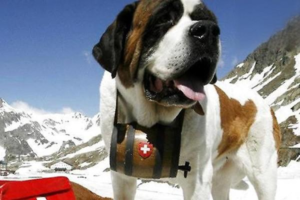
A Guide to Walking Your Dog in Summer
Summer walks need care. Watch for violent panting, control water intake, and mind temperature and humidity — overheating can turn deadly fast, especially for flat-faced dogs.

Canine Herpesvirus Infection
Canine herpesvirus infection is an acute, fatal infectious disease of newborn puppies caused by canine herpesvirus. Dogs over 2 weeks old show tracheitis, bronchitis and other respiratory signs; bitches can have infertility, abortion and stillbirths; males show balanoposthitis and funiculitis. The virus is widespread in breeding kennels.

Treatment of Early-Stage Canine Distemper
The canine distemper virus is highly contagious and deadly. Early on there is a biphasic high fever with cold-like signs, later bronchitis, catarrhal pneumonia, and gastroenteritis. Late stage brings neurological signs such as spasms and convulsions. Some dogs show local hardening of the nose and paw pads.

Why Is My Dog Having Diarrhea and a Fever?
A dog's fever usually comes from respiratory illness (cold, bronchitis, pneumonia), internal parasites (causing gut inflammation, poor appetite, anemia, fever), or infectious disease like distemper (strong gut reaction - best treated at a hospital).

Is Toxoplasmosis Really That Scary?
Toxoplasma is a zoonotic disease with a very wide host range; infection rates in both humans and animals are high. Pigs, cattle, sheep, horses, dogs, cats and lab animals can all be infected.