Search Results
79 results for “pleasure”
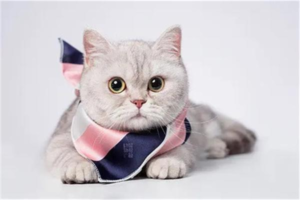
Why Does a Cat Arch Its Back When You Pet It?
A cat arches its back when petted for many reasons — to lean into pleasurable contact, to stretch, out of anger or fear (puffing up to look bigger), to coil before a pounce, or simply to invite play. The meaning comes from the situation and the cat's mood; brief arching is normal, but arching that lasts a long time can signal pain or illness.
What are the signs that a Bichon Frise is angry?
An angry Bichon shows a wronged expression, then may ignore commands and give the cold shoulder, soil the house, destroy items, or bark persistently to show displeasure.

Why Do Cats Meow?
Cats meow to communicate needs and moods — attracting mates in heat, asking for food or water, coping with a new home, seeking attention, signaling injury or illness, or expressing emotion. A sudden spike in meowing with signs of distress means a health check.
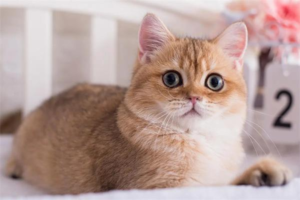
How to Stop Your Cat Scratching the Sofa
Cats scratch naturally to wear down claws that never stop growing; without a proper outlet they may pick the sofa because they like its texture. Understand this instinct and redirect it: offer scratching posts, reward post use, and use protectors or safe sprays. Never punish violently, and trim nails regularly to lower the urge.

Do Dogs Actually Hate Their Owners?
Dogs rarely truly hate their owners; what looks like dislike is usually a response to neglect, coldness, or harsh scolding. A dog that is ignored, criticized, or treated roughly may act aloof, have accidents in the house, or even growl. Often it is simply expressing unmet emotional needs. Pay attention to your dog's feelings, build regular positive interaction, and remember that sudden unfriendliness can also signal pain or illness that warrants a veterinary check.

What Are the Benefits of Sunbathing for Dogs?
Letting a dog bask in the sun in moderation is a simple way to boost its health and happiness. Sunlight helps the body make vitamin D, which drives calcium absorption and strong bones. It also acts like a natural antidepressant—easing stress, anxiety, and low mood while improving circulation and brain function. UV rays stimulate immune cells so the dog resists infections better, and mild exposure can calm skin inflammation, speed wound healing, and keep the coat shiny by reducing surface bacteria and parasites. The catch is moderation: too much sun, especially at midday, risks dehydration, heatstroke, and even skin cancer. Always offer shade and fresh water, and keep sessions short.

Why Does My Cat Keep Pawing at the Water Bowl?
Cats are intelligent, clean-loving animals, and pawing at the water bowl usually signals something specific rather than random mischief. The behavior may mean your cat finds the water unclean, simply enjoys playing with water, feels bored or unhappy, or is trying to get your attention. Because drinking enough water is vital to feline urinary health, it is worth addressing. Keep the bowl clean and fresh, consider a circulating fountain to encourage drinking and curb the pawing, and provide engaging toys to burn off excess energy. Paying attention to your cat's mood and offering companionship also reduces attention-seeking behavior. Understanding the cause is the first step, so you can respond with the right fix instead of scolding.

Why Dogs Twitch and Jerk in Their Sleep
Dogs sleep a lot - puppies up to 22 hours, adults 10-18. Sleep has light and deep phases: in light sleep a dog lies with its head on its paws, one ear to the ground, easily startled; in deep sleep it relaxes, twitches its legs, flops on its back and may whimper. The famous 'playing dead' jerk is just a startle reflex - a light-sleeping dog checks the environment at any noise, while deep sleep is broken only by strangers or loud sounds, and waking it then earns its annoyance. Chronic stress from illness blocks restful sleep and causes behavior problems, and long-term sleep loss weakens immunity. Never prank a sleeping dog.

Why Do Cats Purr? Understanding What the Sound Means
A cat's purr is one of the most familiar sounds an owner hears, yet many assume it only means happiness. In truth, purring carries several messages: contentment while kneading or being stroked, a request for food, a kitten's signal to its mother, self-soothing during stress such as a vet visit, and even a low-frequency vibration that may help the body heal wounds and ease pain. Learning to read the context — a relaxed, half-closed expression versus a tense clinic visit — lets you understand what your cat is really telling you.
What happens when a dog gets jealous?
A jealous dog may sulk silently in a corner and, if not comforted, later ignore its owner. Some dogs compete openly for attention — clingier while growling at the rival — while others bare their teeth at the owner or quietly watch, then secretly retaliate against the favored pet.