Search Results
79 results for “pleasure”

What Does It Mean When a Hamster’s Ears Are Up?
Hamsters are cute, affectionate little pets, but some of their behavior puzzles new owners. For example, when you see a hamster's ears stand up, you may wonder what it means. In fact, erect ears can mean several things — this article explains.

When and Why Does a Dog Stretch?
People often think a stretching dog is just tired, but dogs stretch for many reasons beyond fatigue. This article explores what a dog's stretch can mean.
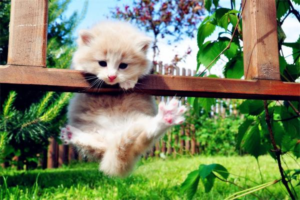
How to Help Your Cat Relax and Enjoy Being Petted
Cats react differently to petting mainly because of technique. Stroke from head to tail, lift the cheeks, scratch the chin, rub the belly, and pet the tail with the grain; avoid the belly and rear with unfamiliar cats. Done right, a cat will melt with pleasure.
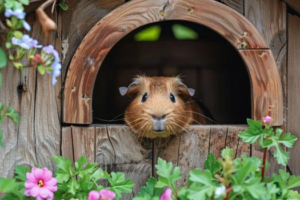
Where Do Hamsters Like to Be Petted?
Hamsters are timid, but many enjoy being touched on the back and belly, and the loose skin on the neck sides. Build trust first, never grab suddenly, keep strokes gentle, and wash your hands so your scent does not startle them.

Signs a Rabbit Dislikes Its Owner, and How to Bond Quickly
Rabbits are slow to warm up, timid and cautious, so bonding is hard and the wrong approach backfires, making the rabbit dislike you more. Here are the signs of dislike and how to build a good relationship.

What to Do When a Budgerigar Bites, and How to Correct It
A budgerigar rarely bites without reason; biting usually means fear, a self-defense reaction. Once you know why, correcting it is straightforward.
Is Too Much Catnip Harmful to Cats, and Can They Get Addicted?
Catnip contains nepetalactone, which triggers a brief, harmless euphoria via the vomeronasal organ—but it is not addictive. Overuse can dull the effect, irritate the respiratory tract, and upset kittens' stomachs, so limit sessions to about once a week and wait until a cat is at least 6 months old.
How does a cat show it dislikes you?
A disliking cat refuses approach, may puff, hiss, scratch, or bite; hides when you appear and may refuse your food. It may deliberately misbehave, like urinating on bed or shoes.

Why Do Cats Bite, and How Should You Respond?
Cats bite in cases such as pain or discomfort, fear or stress, over-excitement, poor social behavior, feeling threatened, hunting instinct, or misguided impulses. Knowing the reasons and fixes helps you get along. Guide the cat correctly with patience, understanding, and proper training.
Is regular mint harmful to cats?
No, but its smell is pungent and may make a cat sneeze or have a runny nose. Mint is not catnip; catnip excites cats, relieves stress, and helps pass hairballs, but should not be used on pregnant cats.