Search Results
308 results for “pet turtle”

What to Do About a Turtle’s Sunken Eyes
Sunken eyes mean the turtle's body has a problem; find the cause and treat it. Here are the likely causes and treatments for sunken turtle eyes.

Why Is Your Turtle Vomiting?
Turtle vomiting can follow post-surgery weakness, big temperature swings, spoiled food, gut damage from overfeeding, or toxin ingestion. Fixes range from rest and warm water to antibiotics, probiotics, or induced vomiting for poisoning. This article covers the causes and treatments.

Symptoms and Causes of Malnutrition in Turtles
Malnourished turtles grow slowly and may show eye disease and soft-shell disease. Common feeding mistakes are feeding seawater fish (too salty), cheap low-quality feed, overfeeding, or making dried shrimp the main diet. This article explains the signs and the feeding errors to avoid.

Why Won’t a Turtle Eat?
A turtle may refuse food because the water is below 20°C, the food is spoiled or hard to reach, it is stressed in a new home, it is ill, or it ate indigestible food. Most cases are normal adjustment or temperature; illness needs treatment. This article lists the common reasons.

What to Do When a Turtle Is Constipated
Turtles constipate from low fiber, overfeeding, or cold season changes, showing no stool, poor appetite, and less activity; severe cases risk obstruction. Treatments: cooler water, pediatric enema, or edible oil; see a vet if these fail. This article explains how to tell and fix it.
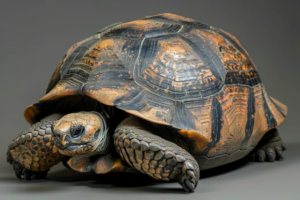
How to Get a Turtle to Eat
A turtle may refuse food because the water is below 15°C (it wants to hibernate), the water is below shell level (young turtles need water pressure to eat), it is bored of one food, or it is ill. Warm the water, raise the level, vary the diet, or treat illness. This article explains the four factors.
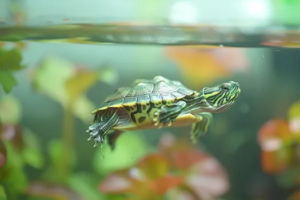
Do Turtles Need Exercise? How to Get a Lazy Turtle Moving
Turtles do need exercise—it aids digestion, appetite, and immunity. A lazy turtle may live in too small a space, lack light, have no reason to roam, or be ill or cold. Boost activity by free-roaming at 20°C+, scattering several feeding spots, giving good light and heat, and interacting daily. This article explains.
What are the three giant turtles of Asia?
Asia's three giant turtles are the yellow-headed temple turtle, the Indian star tortoise, and the Chinese pond turtle, all land turtles found mainly in Asia. They differ in size and diet, from leafy foods and meat to grasses and insects. The Chinese pond turtle is especially popular as a pet due to its adaptability.
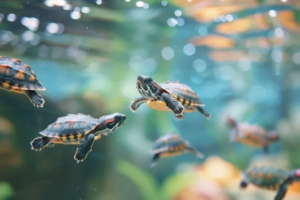
How to Feed Turtles: A Beginner’s Guide
Turtles are omnivores eating both meat and plants; feed every 3 days at 5 to 10 percent of body weight, keep food fresh, and clean leftovers to protect water quality. Use fixed time, place, quality, and amount for healthy, easy-to-watch turtles.
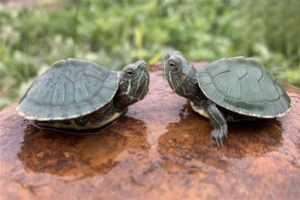
How to Increase a Turtle’s Exercise
Many new turtle owners make the mistake of thinking that as long as the turtle eats and sleeps well, everything is fine, and they overlook the need for exercise. In fact, turtles also need a certain amount of activity to stay healthy. Exercise helps with digestion, boosts appetite, and strengthens the immune system. Turtles cannot do without exercise, so how can you increase their activity? Our pet care specialists explain below.