Search Results
308 results for “pet turtle”

How Long Until a Turtle with Pneumonia Dies?
If a turtle gets pneumonia and the owner does not treat it in time, it may die in about a month. With prompt care, survival rate is high. Here is how turtle pneumonia leads to death and how to treat it.

Telling Turtle Shedding from Skin Rot, and Treating Rot
Shedding and skin rot are entirely different: shedding is normal, with white translucent skin that does not affect appetite or health, while rot is a skin disease with foul-smelling decaying white skin that needs treatment. Here are the differences and how to treat rot.
What should you pay attention to when keeping a snapping turtle?
Keep water depth just over the shell, no more than twice the shell height, with basking rocks above water. Change water every 1-2 days since they eat a lot of meat and pollute water fast. Keep temperature at 28-30 C for best growth; too cold or hot hurts appetite. Give 1-2 hours of light daily to reduce illness.
Why won’t a snapping turtle eat its feed?
A snapping turtle refusing feed is usually due to food, environment, or illness. Unfamiliar surroundings cause temporary refusal that resolves with adjustment. Long-term single-food feeding causes pickiness, and illness such as gastroenteritis, cold, or pneumonia also suppresses appetite.
What Are the Taboos for a Beginner Keeping Turtles?
Do not follow trends blindly; learn the species and its care first, choose an easy turtle like a red-eared slider, and provide a proper environment. Prepare well before keeping any pet.
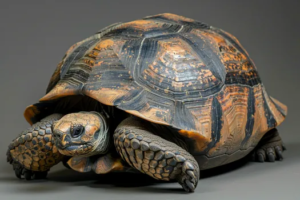
Turtle Shell Shedding? Watch for Shell Rot
Shell shedding is normal and healthy; beginners may worry, but there is no need. Here is why turtles shed, plus how to tell it from shell rot.
What Pet Does Not Need Daily Feeding?
Pet turtles need feeding only every 1-2 days thanks to slow metabolism and digestion, making them easy. Match food to the species' diet and provide balanced nutrition.
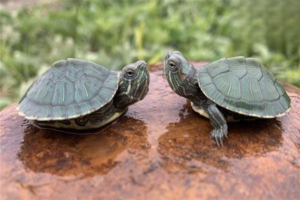
Essential Turtle Care Tips for Beginners
New to turtles? Use a disinfected, escape-proof tank; let tap water sit in sunlight 2+ days; keep water at 0.5–1× shell depth and change it at the warmest time of day; hold temperature near 25°C; give a basking platform for daily sun; and feed chopped, de-spined food to hatchlings. This guide covers the basics.

What to Do About Abnormal Turtle Stool
Abnormal turtle stool often points to gut trouble. Check the vent for stains (parasites or enteritis), white discharge (kidney disease), or water stools in new arrivals (just stress). Feed a balanced diet every 3 days and keep water clean at 20–25°C. This article explains the checks and care.

Can Turtles Get Constipated? Why and How to Fix It
Turtles do get constipated, usually from low fiber, swallowed objects, too little exercise, or a poor environment. Fixes range from edible oil or mild laxatives and enemas to probiotics, with vet care for severe cases that become obstruction. This article explains the causes and treatments.