Search Results
308 results for “pet turtle”

Precautions for Keeping Turtles in Summer
Turtles struggle with summer's heat, which also affects breeding turtles' reproduction. To keep turtles well in summer, strengthen management to avoid harm. Our pet care specialists list the key summer precautions to help your turtle through the hot season.
Which turtle is the most interactive?
The red-eared slider is among the most interactive turtles; gentle and friendly, it likes human contact and builds a bond when handled, and enjoys toys like chasing balls or light spots. Its interactivity and ease of care make it a top choice, offering special keeping pleasure.
What happens to an alligator snapping turtle if the water is too hot?
They tolerate 3-35 C, but above 40 C they may have body dysfunction, poor appetite, breathing trouble, and heatstroke. Hot water also speeds bacteria and parasites, raising risks of fungus, mouth ulcers, and enteritis. Keep water about 28-30 C and adjust by season; keep it clean.
My turtle will not sink in water, floats at the back, with legs stretched straight
Floating can be stress or illness. Stress floating happens after sudden changes like a new turtle or much deeper water, with reduced appetite; rest it in a quiet corner to adapt. Colds, pneumonia, bloat, or gastroenteritis can also cause floating, diagnosed by other signs.
Why Is My Turtle Not Eating? Possible Causes
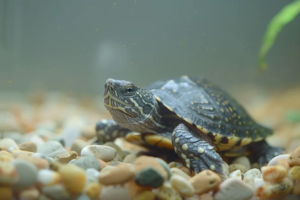
A turtle that suddenly stops eating is usually reacting to its environment — new surroundings, too little space, low temperature, or lack of light — or to illness like constipation, respiratory infection, or white-eye disease. Keep it watered, warm, and lit; see a vet for other symptoms.
One side of my turtle’s nose is blocked and sometimes bubbles—is it a cold?
A turtle with a cold shows blocked nose, runny nose, reduced appetite, less activity, limb weakness and refusal to eat. Your turtle's blocked nose and bubbles suggest a cold. Raise water temperature and give more sunlight; mild cases recover as immunity improves. If no relief, use cold medicine (e.g., cold-relief granules or banlangen) in bath water, keeping temperature suitable.

What to Do When a Turtle Won’t Eat for Days
A turtle refusing food for days is usually environmental — new surroundings, low temperature, shallow water, or illness. Keep water 10–15 cm deep, hold 22–25°C, change water often, and tempt with shrimp or raw meat (never salty food); see a vet if it persists.
How should I keep an alligator snapping turtle well?
Alligator snapping turtles are fiercer than usual pet turtles, so keep them in a separate tank to avoid biting others. They are large, needing at least a 1.2 x 1.8 m tank, and prefer shallow water just over the shell. Keep stable water temperature (20 to 28 C, under 2 C short-term change). Feed live fish, shrimp, lean meat, organs; occasionally fruit/veg; adults get some prepared food.
What does the golden-headed turtle eat?
An omnivorous turtle eating insects (worms, centipedes, crickets) and plant stems/leaves in nature. In captivity feed turtle pellets, small fish/shrimp, lean pork, mealworms, tomato, cucumber. Juveniles eat 1–2 times daily; adults every 1–3 days.
Will a Baby Turtle Starve If It Won’t Eat? How Long Can It Live?
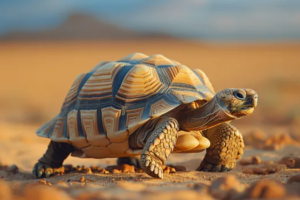
A new turtle that refuses food is often just shy or in poor conditions, not sick. Large, healthy turtles can go months (especially in hibernation); fix the temperature, water, and hiding spots, offer meat or shrimp, or use a companion to trigger feeding.