Search Results
299 results for “pet supplements”

Dog at 7 Is Like a Human at 50: Early Signs of Senior Dog Diseases
At 7, every dog, large or small, has entered its senior years and organs start declining faster. Studies show kidney filtration drops 12-18% and joint cartilage wears three times quicker after 7. Many early signs get mistaken for "normal aging" and missed. Watch for osteoarthritis (stiff rising, hesitant stairs, liking soft beds), dental disease (red bleeding gums, loose teeth, bad breath, favoring soft food), chronic kidney disease (drinking and urinating more, later ammonia breath and weight loss), and cognitive dysfunction (getting lost at home, night waking, forgetting house-training). These diseases can't be cured, but early action slows them and extends life.

Can Cat Flu Leave Lasting Effects After Recovery?
Feline rhinotracheitis (cat flu), caused by feline herpesvirus FHV-1, cannot be cured—the virus hides for life in the trigeminal ganglion and can reactivate whenever the cat is stressed, the season changes, or immunity dips. Most cats recover and live normally, but some are left with mild, manageable effects: a sensitive nose that drips in cold or dusty air, heavier tear staining from narrowed tear ducts, or—in high-risk cases—repeated flare-ups that can progress to chronic bronchitis or pneumonia. Good care (warm stable surroundings, humidity control, stress avoidance, balanced nutrition with lysine and vitamins, and regular vaccines) keeps recurrence rare. This article explains the sequelae, why only some cats get them, and how to minimize repeat episodes.

When Should You Wean Baby Hamsters?
Hamsters usually begin weaning at about 3 to 4 weeks, though the best timing varies with the individual. You can tell they are ready when they start eating solid food on their own, leave the nest more often, and the mother begins to refuse nursing. After weaning, feed a high-quality young-hamster mix with hay, oats, or millet as supplements, plus small amounts of chopped vegetables and fruit and constant fresh water. Separate the pups into their own cages, feed little and often, keep the cage clean, and maintain a warm, safe environment.

What to Do When Your Dog’s Joint Is Swollen
A swollen joint in a dog can come from an injury, arthritis, or calcium deficiency, and the right response depends on the cause. Gently pressing the swollen area tells you whether it is painful; pain or refusal to be touched points to a joint problem. Injuries usually settle in a few days with topical treatment, while arthritis needs a veterinarian's diagnosis and long-term care with anti-inflammatory pain relief, weight control, and adjusted exercise. Severe arthritis may require surgery. Keeping the diet balanced helps prevent calcium-related swelling.
Signs That a Hamster Is Pregnant
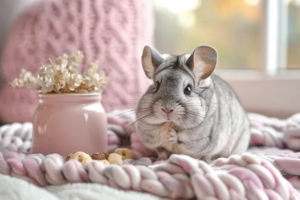
Knowing whether your hamster is pregnant helps you care for her and prepare for pups. Around days 15 to 20 the belly visibly swells as the fetuses grow, and by days 20 to 25 clear mammary bumps appear, the so-called 'double button,' often with early milk. Appetite rises because she needs more nutrition, while the heavier belly reduces her activity and she may seem lazy, which is normal. In late pregnancy she shows nesting behavior, tidying the nest for the babies. Support her with rich, varied food such as hamster mix, mealworms, vegetables, and fruit, plus pregnancy supplements like protein and vitamins, keep the nest clean with stable, comfortable temperatures, watch her body and mammary development, and set up a warm, dry, roomy birthing box in advance. After birth, monitor the pups' growth and nursing so any problem is caught early.
Can Swimming Help a Dog with a Luxating Patella?
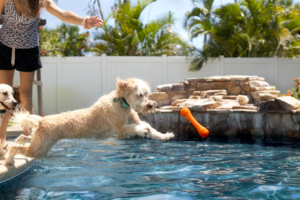
A luxating patella—the kneecap slipping out of its groove—is common in small and toy breeds and can cause pain and limping. Swimming is often recommended by veterinarians as part of conservative care because water’s buoyancy supports the body and builds hind-leg muscle without loading the joint. However, swimming is therapy, not a cure: the condition is structural (loose ligaments, a shallow groove, or poor alignment) and cannot be reversed by exercise, medication, or massage. Whether swimming helps depends on the grade—mild cases benefit, while severe grades can be made worse. This article explains the condition, how water therapy fits in, which grades should swim and how, and the daily supports (fish oil, chondroitin, avoiding jumps) that protect the joint.

What Foods Can Harm Your Hamster’s Health?
Not every food that is safe for people is safe for hamsters. Chocolate, caffeine, fatty or fried foods, sugary and salty items, and anything containing alcohol or artificial sweeteners can cause digestive trouble, obesity, poisoning, or even death. Certain fruits and vegetables, such as citrus, garlic, and onion, can also trigger poisoning or stomach irritation, while too much high-fat food may lead to obesity, liver disease, and heart problems. Hamsters need a balanced diet, and a single, repetitive food source can cause malnutrition. Learning which foods to avoid, and how to build a healthy daily menu, helps keep your small pet safe and thriving.
Don’t Ignore Joint Pain in Your Cat or Dog
Joint pain is not 'just old age.' From limping and hesitant jumps to morning stiffness and a short temper when touched, pets signal discomfort in quiet ways. Catching it early protects mobility and comfort. Learn the warning signs, why joints degrade, and the practical steps—weight, exercise, and veterinary care—that keep your companion moving.

What to Feed a Cat with Poor Liver Function (and What to Avoid)
When a cat's liver is struggling, feed low-burden, high-nutrition food: lean, low-copper proteins (chicken or duck breast), omega-3-rich fish (salmon, cod, sardine), and vitamin-packed vegetables (broccoli, carrot, spinach, pumpkin, blueberry) that aid cell repair. Veterinary liver-prescription diets and a milk-thistle or moringa liver supplement add targeted support. Avoid copper-heavy foods (organ meat, shellfish), high-fat and fried items, sugary or salty treats, and fatty snack packets. Feed small, frequent meals, keep water available, and transition foods gradually. Diet alone is supportive—pair it with a vet's diagnosis and treatment plan.

How to Prevent Seizures After a Puppy Recovers from Distemper
Seizures can appear even after a distemper test turns negative because the virus is neurotropic—central-nervous-system damage and lingering inflammation may already be set. Prevention rests on three pillars: ease neuroinflammation, protect and repair nerve tissue, and avoid triggers. Nerve-support supplements (B vitamins, fish oil, citicoline, mecobalamin) help, and high-risk puppies may need low-dose long-term anti-seizure medication under a vet's supervision. Keep the environment calm and warm, skip baths during recovery, and feed highly digestible food with vitamin E, selenium, and lecithin. Learn the early warnings—repeated nodding, limb tremors, circling—so you can act before a full seizure.