Search Results
116 results for “pet reproduction”

Key Things to Manage When Keeping Turtles in Summer
Summer is the fastest growth season for turtles, and their appetite increases greatly. But to protect their digestive health, owners must feed sensibly to avoid obesity or gastroenteritis and fatty liver disease from overeating. Our pet care specialists walk you through the key points of summer turtle keeping.

Precautions for Keeping Turtles in Summer
Turtles struggle with summer's heat, which also affects breeding turtles' reproduction. To keep turtles well in summer, strengthen management to avoid harm. Our pet care specialists list the key summer precautions to help your turtle through the hot season.

How Light Affects Parrots
Light drives a parrot's health and breeding: it supports vitamin D, metabolism, and immunity, and longer days trigger breeding. Give direct (not through-glass) sunlight or a full-spectrum lamp, aiming for 10 hours daily and over 15 to boost reproduction.

Nebelung
The Nebelung is essentially a long-haired Russian Blue, a rare variant recognized by TICA in 1987 and hailed as the 'nobility of long-haired breeds.' Apart from its coat, it is identical to the Russian Blue. Quiet, shy, and gentle, yet intelligent and adaptable, it is well suited to calm households.
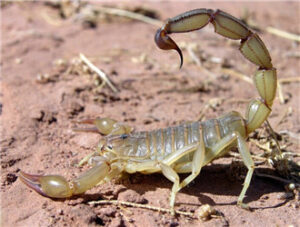
Scorpion
Scorpions have a wide range of medicinal uses, though their tails are venomous. With many species distributed across more than ten provinces in China, the most commonly used medicinal species is the East Asian scorpion (Chinese scorpion), which is highly effective in treating rheumatic conditions.

Snow Squirrel
The Snow Squirrel is a gentle, delicate-looking rodent whose coat changes with the seasons, valued for both its fur and as a pet. An active nut-lover, it needs a varied diet, temperature-controlled housing, and safe chewing material for its teeth.

Himalayan Guinea Pig
The Himalayan Guinea Pig is a panda-marked variety of guinea pig—white body with dark nose, ears, and feet—known for its gentle, clingy, yet timid nature. An easy, inexpensive pet that loves to eat and breed, it thrives on hay, vegetables, and a little concentrate.

Centipede
The centipede is a terrestrial, venomous arthropod kept both for its medicinal value and as an exotic pet. A nocturnal carnivore that hibernates and must be raised in a secure, three-dimensional enclosure, it reproduces by laying eggs carried on the mother's back.

Dwarf Hotot
The Dwarf Hotot, also called the Dwarf Panda Rabbit, is a small, lively pet rabbit with an all-white coat and distinctive black eye markings. Easy to keep like other pet rabbits, it needs a secure cage, daily grooming, and unlimited hay.

Himalayan
The Himalayan is a native Chinese breed whose body color changes with temperature—white all over when warm, and a standard deep black (the limbs and head turning black) when cold.