Search Results
118 results for “pet reproduction”
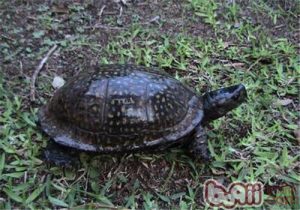
Gulf Coast Box Turtle
The Gulf Coast Box Turtle (Terrapene carolina major) is the largest subspecies of the Common Box Turtle, found along the U.S. Gulf Coast bordering Mexico. A typical omnivore reaching up to 18 cm in carapace length, it grows quickly and is relatively easy to keep.

Travancore Tortoise
The Travancore Tortoise (Indotestudo travancorica) closely resembles the Burmese Star Tortoise in appearance and shares its preference for a dry habitat. Though sometimes considered a subspecies of the Burmese tortoise, this has never been confirmed; it is a shy, inactive tortoise suited to simple husbandry.

Stripe-necked Leaf Turtle
The Stripe-necked Leaf Turtle (Cyclemys tcheponensis) has a broad distribution and healthy wild populations, and even wild-caught individuals adapt well to human care. A semi-aquatic species, it favors shallow water adjoining land; adults prefer fruit while juveniles lean toward meat.

South African Bowsprit Tortoise
The South African Bowsprit Tortoise (Chersina angulata), also called the angulated tortoise, favors dry, hot regions and becomes inactive and refuses food when captive temperatures drop below 20°C. A strictly herbivorous species, it feeds only on plant matter in the wild and accepts fruits and vegetables in captivity.

Obesity in Dogs and Cats
Obesity is an excess of body fat that develops when energy intake consistently exceeds expenditure. It is common in pets fed too much, exercised too little, or affected by endocrine disease, and it predisposes to heart disease, diabetes and a shorter life.

Manganese Metabolism Disorders in Dogs and Cats
Manganese metabolism disorders in dogs and cats are usually deficiency, causing bone deformity, joint swelling, lameness, and reproductive disturbance, with rare toxicity causing reduced fertility and local albinism. They are corrected by balancing dietary manganese.

Vitamin A Deficiency in Dogs and Cats
Vitamin A deficiency in dogs and cats results from a diet lacking preformed vitamin A and its precursors, impairing vision, skin, growth, and reproduction. It causes night blindness, dry eye, flaky skin, and in young animals bone deformity and paralysis, and is corrected by dietary vitamin A and treating any gut disease.

Common Questions About Spaying and Neutering Cats
When is the best time to spay or neuter a cat? What should be noted before and after the surgery? What are the benefits? These are things every cat owner needs to learn. Spaying or neutering is something every cat must go through; let us look at these common questions together.
- « Previous
- 1
- …
- 10
- 11
- 12