Search Results
154 results for “pet hygiene”

What Is Coccidiosis in Cats and Dogs
Coccidia are single-celled gut parasites that hit young cats and dogs hard and can spread to people as chronic diarrhea. A fecal check confirms infection, and sulfonamide or amprolium treatment needs follow-up tests to prevent relapse.

How to Lower Your Cat’s Risk of Gastroenteritis
Cat gastroenteritis brings vomiting, diarrhea, and lethargy, and the causing virus can linger in the environment for a year. Vaccination plus careful diet and hygiene is the strongest defense.

White Film Covering Your Cat’s Eyeball
A white film over the eye usually means conjunctivitis, an inflammation of the membrane lining the eyelids and front of the eye. It can come from infectious causes like feline herpes or from injury and irritation. Cleaning, the right medication, and an Elizabethan collar speed recovery.

Key Things to Know When Raising a Cat
Good cat care is as much about hygiene as feeding. Clean the hidden corners, groom through shedding season, keep the home sanitary, and stay on top of rabies and parasite prevention to protect both cat and family.

What Are the Symptoms of Canine Distemper?
Distemper is a highly contagious, often fatal viral disease. It starts like a cold and worsens through coughing, thick discharge, bloody diarrhea, and finally neurological signs, so early isolation and veterinary care are critical.

Does a Dog’s Tongue Carry Bacteria?
A dog's mouth and tongue do carry bacteria, some of them drug-resistant, picked up from everything it licks and eats. Good oral hygiene and a clean home keep the risk low for both dog and owner.
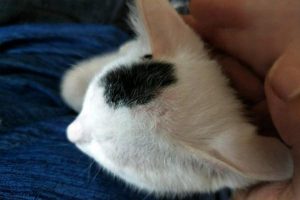
What Those Hard Lumps on a Kitten’s Head Mean
A hard, painless white lump on a kitten's head that neither grows nor fades is often a sign of ringworm. Ringworm comes from contact with fungi like Microsporum canis or Trichophyton, thriving in damp, dirty places. It causes scaly spots and hair loss, is contagious to people, and needs vet care plus topical antifungal ointment and good hygiene.

What to Do When Indigestion Causes Your Dog to Vomit
Indigestion is the top cause of dog vomiting, and severe cases bring mucus, stomach fluid, undigested food, even blood and diarrhea. Causes are unclean food or bowls, overeating, and sudden food switches. Fix hygiene, fast one to two days then feed bland food, and use a probiotic after a switch.

Kitten With Pus in the Eyes, Can’t Open Them, and Sneezing
A kitten with pus-filled eyes, stuck-shut lids, and sneezing is often fighting feline herpesvirus (rhinotracheitis), not just a cold — and it can be fatal if ignored. Isolate and disinfect the space, give lysine and vet-prescribed antibiotics, and use eye drops for the conjunctivitis. Act quickly, since kittens have little immunity.

How to Treat Red Bumps on a Labrador
Red bumps on a Labrador usually come from mites, fungal infection, vitamin deficiency, or poor coat care — not random, and good hygiene prevents most. Treat the specific cause, feed a bland diet, keep the dog cool and the environment disinfected, and see a vet for widespread bumps.