Search Results
154 results for “pet hygiene”

Canine Herpesvirus Infection (CHV): Symptoms and Care
Canine herpesvirus is a highly contagious virus in dogs that is often fatal in puppies under 21 days old, while older dogs usually show only mild upper-respiratory signs. It can also cause infertility, abortion, and stillbirth in breeding dogs and genital lesions in males.

Canine Coronavirus (CCoV): Symptoms, Treatment, and Prevention
Canine coronavirus is a highly contagious viral infection that causes acute gastroenteritis in dogs. It spreads through contact with contaminated saliva, feces, and food, and typically produces vomiting, diarrhea, and appetite loss. Most dogs recover within 7 to 10 days, but the infection is known to recur.
Why is my dog losing fur under its eyes and producing a lot of eye discharge?
Excess discharge from conjunctivitis can stain the fur under the eyes and cause hair loss. Wipe the eyes clean daily and apply a pet antibiotic eye drop (chloramphenicol or ofloxacin); if there's no improvement, stop and see a vet.

What to Do About Coccidia Infection in Dogs
Pet coccidia is a terrible parasite; worse is an owner who does not even know coccidia - is that you?

How to Pick a Healthy Cat
Pet shops show many cute cats, but some turn out unhealthy after you take them home, costing a fortune in vet bills.
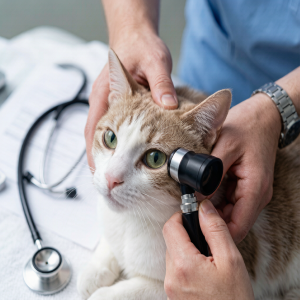
Common Cat Eye Diseases and Care
For cats, impaired eye function affects daily life and can make them irritable from a lack of security.

Does Your Cat Really Need to Be Spayed or Neutered?
Must a cat be spayed or neutered? Many owners have this doubt. In fact, neutering is the best overall way to ensure a pet's welfare and improve its quality of life. If the owner does not plan to breed the cat, it is best to have it fixed. Let us look in detail at the benefits of neutering and the impact of not neutering.

How to Care for a Senior Dog
Senior dogs need grooming help, proactive pain management for arthritis, vet-prescribed NSAIDs or other pain meds, and quality supplements (look for the NASC seal). Vet visits every 6 months after age 10 catch problems early. You and your vet are a team for a pain-free life.

Diagnosing and Treating Salmonellosis in Dogs
A firm diagnosis of canine salmonellosis relies on fecal culture plus history and exam, since many other infections look alike. Treatment ranges from gut rest and supportive fluids to carefully chosen antibiotics. Strict hygiene prevents spread to other pets and people.

Stomatitis vs. Oral Granuloma in Cats: How to Tell Them Apart
Feline stomatitis and oral granulomas are two mouth problems that are easy to confuse. A granuloma usually causes little pain and barely affects appetite, while stomatitis is intensely painful and makes cats refuse food, drool, and develop bad breath. Both warrant a veterinarian's attention.