Search Results
148 results for “pet hygiene”

How to Care for a Pet Rabbit, Especially One Newly Brought Home
Rabbits need hay (alfalfa for young, timothy for adults), pellets and veg twice daily, fresh water, a dry 15-25 C home, and no baths. A new rabbit needs quiet, limited space, separation from residents, and a fecal test (not yet deworming) at the vet.
My rabbit keeps sneezing, wet nose, slight stuffy breathing; appetite, energy and stool normal — what to do?
Rabbit colds come from chills or poor ventilation/hygiene. Treat promptly and keep warm. Use veterinary antibiotics (enrofloxacin, amoxicillin) for secondary infection, and astragalus polysaccharide oral liquid for immunity; for fever use flunixin meglumine. Never use human cold or Chinese patent medicines — risk poisoning. If worse, see a vet.
How long do pet hedgehogs live?
Pet hedgehogs live about 6-8 years, a few over 10. Longevity depends on feeding, a good environment and timely treatment when ill.
How to Keep a Clean, Healthy Home With Pets
Clean daily: vacuum shed fur, do a weekly deep clean and disinfect, and keep air flowing. Bathe regularly, wipe the anal glands and paws, and disinfect shoes and pet items to stop bacteria and odors from building up.

Why Does Your Pet Rabbit Smell?
A strong rabbit odor can come from diet, poor hygiene, health problems, or sex differences. To reduce it, manage the diet and living space, clean the rabbit appropriately, and check its health regularly. Most odor comes from urine and droppings, so clean the habitat often to stop them from lingering.

Why Is Pet Veterinary Care So Expensive?
Pet medical bills stay high for several reasons: base costs, advancing technology, professional standards, and simple supply and demand. Clinics must buy advanced, often imported equipment and run with no government subsidies, so investment costs are high. Then there's the training and expertise of vets and nurses, who diagnose a silent, non-cooperative patient largely from your account and their own experience—costly time and skill. Strict hygiene, quality drugs, and the years-long approval process for pet-specific medicines all add up. Knowing this helps owners see the value, while still learning to spot overcharging clinics.
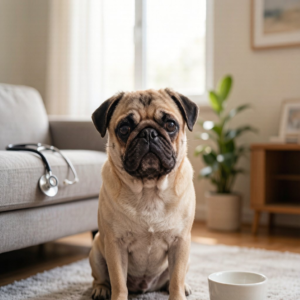
What to Do When Your Dog Loses Appetite in Summer
Summer heat can lower a dog's appetite, as can a repetitive diet, parasites, or illness such as gastritis, distemper, mouth ulcers, or fever. Offer light, easy-to-digest food like wet food, vegetables, fruit, and bone broth in small frequent meals, and always keep fresh water available since heat drains fluids fast. Add variety with cooked egg, chicken, or fish, but skip human leftovers to avoid excess salt, oil, and additives. Keep bowls clean to prevent spoilage, encourage gentle exercise, and add probiotics to support gut health. If appetite stays poor or other symptoms appear, see a vet.

How to Care for Your Cat’s Teeth and Mouth
Without regular cleaning, food debris on a cat's teeth builds into plaque and then hard tartar, leading to gingivitis, periodontitis or stomatitis that may need extraction. Brush gradually using pet toothpaste and a cat toothbrush — start 2–3 times a week — and pay extra attention to flat-faced breeds like Persians and Himalayans.

What to Do When Your Guinea Pig Won’t Let You Touch It
Guinea pigs are seen as cute, gentle pets. But when still unfamiliar with the owner, a guinea pig may refuse to be touched and can resist or even bite when you try to interact. So what should you do when your guinea pig won't let you handle it?

Cat Sinusitis: Causes, Symptoms, and Treatment
Cat sinusitis is common, usually from bacteria, viruses, fungi, or irritants, causing sneezing, nasal discharge, congestion, breathing trouble, snoring, red watery eyes, poor appetite, and lethargy. Severe cases show blood-tinged, foul-smelling discharge and may lead to brain complications. Treatment depends on cause and severity: bacterial cases need antibiotics, viral cases antivirals, plus nasal flushing and a cleaner environment.