Search Results
2370 results for “pet health”
Why Is a Puppy Vomiting and Refusing to Eat?
When a young puppy vomits and turns away from its food, the cause usually falls into one of four buckets: stress from a new home or unsuitable food, uncontrolled feeding habits, internal parasites, or an infectious disease such as distemper. Puppies are especially vulnerable because their immune and digestive systems are still developing, so a single episode should not be ignored. Identifying which factor is behind the symptoms lets you act quickly—whether that means calming the pup, fixing the feeding routine, deworming, or getting to a vet before a treatable problem becomes serious.
What Causes a Dog to Retch or Dry-Heave?
A dog that keeps dry-heaving without producing vomit can be distressing to watch, yet the causes are often straightforward. Retching usually means the throat or stomach is irritated, and it can come from a foreign object, throat inflammation, parasites, indigestion, or simply too much excitement and exercise. Most cases are mild and improve with rest, fluids, and regular deworming, but some signal infection or an obstruction that needs a vet. Knowing the difference helps you respond calmly and give your dog relief before a small issue becomes a bigger one.
Why Does My Cat Foam at the Mouth After Taking Medicine?
It can be alarming to see your cat drool foamy saliva right after a dose of medication. In most cases this is a normal defensive reaction rather than a medical emergency. Cat medicines are usually bitter and lack the sugar coating found on many human pills, so the unpleasant taste alone can trigger gagging and vomiting. Some drugs are also physically irritating to the stomach lining, especially when given on an empty stomach. Understanding the two main causes—bitterness and gastric irritation—helps you give medicine more comfortably and know when foaming is simply a passing reaction versus a sign you should slow down and check with your veterinarian.

How to Prevent Heartworm in Cats
Heartworm actually takes hold in a cat's lungs, not the heart, and although cats are not the worm's natural host, they can still be infected by a mosquito carrying larvae. Cats are often overlooked: infection rates are only 5–15% of a dog's under the same conditions, symptoms are subtle (about 28% show none), and tests are less accurate than in dogs. Prevention matters — avoid mosquitoes and use a vet-prescribed monthly topical preventive. Test for infection before giving any preventive, since treating an already-infected cat can cause shock.

What Vaccines Does My Dog Need?
Preventing disease beats treating it, and vaccination is the best way to protect a dog from infection, pain, and death. Core shots are the rabies vaccine and a combination vaccine — the "two-way" covers distemper and parvovirus, while four-, six-, and eight-way versions add hepatitis, parainfluenza, adenovirus, leptospirosis, and coronavirus. Most dogs start with the four-way. The usual schedule begins at 45 days of age, with a shot every 21 days for three doses, rabies at three months, then an annual booster. Some dogs should not be vaccinated — see your vet.
Key Aspects of Cat Care You Shouldn’t Overlook
Treating a cat like family is natural, but good intentions can backfire—feeding meat too early or the wrong foods causes real problems. This article reviews the essentials of sound cat feeding: not every cat tolerates milk, so offer it cautiously; avoid cold food straight from the fridge; change diets gradually over several days; use freeze-dried treats to tempt a refusing cat without overdoing it; provide complete, balanced nutrition; and keep bowls clean. For kittens, a little softened meat weekly plus warm water on kibble supports healthy growth.
How to Supplement Vitamin B for Your Cat
Vitamin B deficiency in cats frequently appears as skin trouble—especially ringworm—along with a dull coat, weight loss, and loss of appetite, and in serious cases it can progress to eye and nerve problems. Because cats cannot store or synthesize enough B vitamins on their own, daily diet matters. This guide covers the warning signs of deficiency, why human B supplements are a poor fit for cats, and safe ways to meet their needs: B-rich cat food, small amounts of fruit, thorough drying after baths, regular disinfection of bedding and surroundings, and sunlight to help keep skin healthy.

Why Does My Dog Have Bad Tear Stains?
Tear stains form when tears (water plus salts and protein) evaporate and leave dark-brown marks—and they can signal health trouble, not just looks. Causes: poor eye cleaning (dust, smoke irritation), ingrown eyelashes from eyelid inward-rolling (needs vet care), unclean ears (mites or bacteria stimulate tear glands), and oily or salty food (switch to low-salt natural kibble and more water). Some breeds (Pekingese, Chihuahua, Pug) have genetic over-tearing from bulging eyes; severe cases may need a tear-duct opening surgery. Disease (blocked ducts, tear-gland inflammation) needs a vet. Daily: gentle cleaning, trim surrounding hair, light eye massage a few times a week, and a bland diet.

4 Things You’re Missing If Your Dog Has Bad Breath
A dog's bad breath is not normal—it often means disease. Leftover food builds bacteria that cause tartar, periodontal disease, and can spread to the liver, heart, and kidneys. Keep the mouth healthy with four habits: brush one to two times a week using pet toothpaste (human toothpaste can poison if swallowed; water and a pet brush work too); check teeth regularly and see a vet for serious issues; give chew toys and dental treats to wear teeth; and feed a balanced, mostly dry diet with supplements for micronutrients (deficiency causes mouth ulcers). About 80% of dogs without dental care develop oral disease by age three—prevent early.
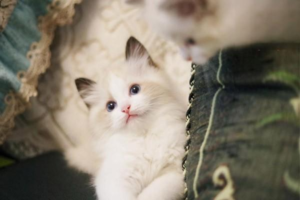
Why Does My Cat Keep Passing Gas (and What to Do)?
Frequent farting in cats is usually about digestion, but other overlooked factors matter too. Eating too fast or too much swallows air that comes out smelly; high-fiber, dairy, or very high-protein foods increase gas (excess protein also strains the pancreas); and past gut disease or unbalanced gut flora can make gas and stool smell worse. Occasional gas is normal, but constant gas affects health. Improve it by reviewing the diet, encouraging water (well-hydrated cats have less smelly waste), and trying a pet probiotic to balance gut flora and aid digestion.