Search Results
2370 results for “pet health”

Should a College Student Get a Cat?
Loving animals is wonderful, but getting a cat is a lifetime promise, not a passing impulse. Before a student adopts, four questions matter: does the dorm even allow it, and will roommates and anyone with cat allergies cope? Do you truly love the whole cat — mess, illness, and all — not just the cute photos? Can you give real time and steady money for food, litter, deworming, vaccines, neutering, and vet bills? And who will care for the cat over holidays and after graduation, when a wave of abandonments happens every year? Think it through first.

What to Prepare Before Bringing a Cat Home
Before you take a kitten home, be ready to care for it for life — an abandoned cat can be deeply distressed and may not survive. Choose a cat over two months old that already eats and uses the litter box on its own, get a basic vet check first, and carry it home in a covered carrier. Set up a quiet room, lock away toxins and secure the windows, hold off on baths for young kittens, follow a deworming schedule, and plan to spay or neuter. A little preparation prevents most beginner mistakes.
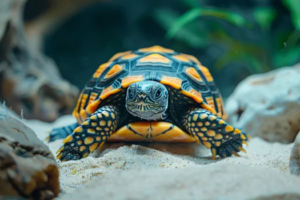
How Often Do Turtles Shed Their Shell?
Turtle shell shedding (ecdysis) is a normal part of growth: as the body enlarges, the old shell can no longer contain it, so a new one forms underneath. Turtles usually begin shedding around age 2 to 3, with each cycle lasting 1 to 3 months, most often in spring and summer when metabolism is high. After age 6, growth stabilizes and shedding slows. Owners must let the scutes detach naturally—never pull them—and boost calcium and nutrition during the process. This article explains the timing, care, and warning signs.

Why a Dog’s Nose Changes Color
A healthy dog's nose is usually cool and moist, and a warm, dry nose alone doesn't prove illness—waking, hard exercise, heat/cold exposure, or old age do the same. Real fading comes from: age (pink as a pup darkens, then lightens in seniors as tyrosinase and melanin drop); illness or heat (returns after); season—'snow nose' in winter, returning with warmth; trauma (pink while healing); poor nutrition (low melanin); genetics/Dudley nose (permanent, harmless); allergy (contact dermatitis from plastics/metal—use glass/stainless); bacteria (swelling, crusts—vet); and vitiligo (immune, white patches, harmless). Protect a pink nose from sun; see a vet for bloody, foul discharge with weakness.

Supplies to Prepare for a New Cat
Bringing a cat home means getting its eat, drink, and litter needs sorted first. Kittens may need goat's-milk or lactose-free formula, a bottle, and a needle-free syringe for feeding. Every cat needs two bowls (water and food) and a natural-quality kibble — cheap food leaves cats hungry and unwell. Plan one litter box per cat with low-dust clumping litter. Then add grooming and health items: hairball paste or cat grass, a brush, nail clippers, basic supplements, dewormer, eye drops, and a toothbrush. Toys, a scratch post, a warm bed, and a cat tree round it out.

Can Dogs Eat Cheese?
Cheese is a familiar food that boosts a dog's appetite and supplies calcium, but is it really suitable? Over 4,000 cheeses exist. Harms: overfeeding causes obesity, but more importantly cheese delivers high sodium and lactose. Cheese-making uses salt, and its sodium can cause high blood pressure and organ damage, so experts do not recommend feeding cheese long-term. Benefits: good protein; essential vitamins and minerals; rich calcium; vitamin A; B vitamins; healthy fatty acids. Avoid: blue cheese and other French cheeses—blue produces a toxin fatal to dogs (difficulty breathing, racing heart, then seizures; needs prompt stomach pumping) and has the highest sodium; cheeses with garlic or herbs (Havarti, even cream cheese); Brie and feta, the highest in saturated fat, which can trigger pancreatitis. Dogs to avoid cheese: overweight; lactose-intolerant (diarrhea); picky eaters (cheese won't fix appetite); those with digestive disease (a burden). Choose: low-fat cheese, and cottage cheese if possible (lowest fat and sodium)—always read the label.

Why Is Your Cat Shedding?
Shedding is often normal: kittens lose soft baby fur around 4–8 months, and all cats do a seasonal coat change in spring (March–May) and autumn (September–November). But it can also signal trouble—external parasites (mange mites, fleas) cause redness, itching and hair loss; poor nutrition or too much salt weakens the coat. Rule out illness, then manage loose hair with a vacuum and a de-shedding tool. Never over-salt the food, and keep protein and vitamins adequate.

Can Rabbits Drink Untreated (Raw) Water?
Rabbits can technically drink untreated (raw) water, but it isn't recommended. Raw sources like pond, well, or tap water can carry bacteria, parasites, and chlorine that upset a rabbit's sensitive gut and cause diarrhea or abdominal pain. Safer options include filtered, bottled, settled, or boiled water. Always keep water fresh and the bottle clean to avoid bacterial or parasite buildup that leads to enteritis. If your rabbit shows diarrhea, cramps, or appetite loss, consult a veterinarian for guidance.

What to Consider Before Bringing Home a Cat
Before you adopt, pass a few gates. Partner gate: everyone at home must accept a cat for the long haul, including future spouses and kids. Housing gate: enough space plus real safety—mesh screens on windows and balconies. Money gate: ~150 yuan/month basics and the ability to pay vet bills. Body gate: test yourself for cat allergy. Time gate: feeding, scooping, grooming, and a clingy cat that sits on your keyboard. And the other-pet gate: introduce newcomers slowly across territories.

Recipe: How to Make Kelp Powder for Cat Food
Kelp powder is a simple, mineral-rich topper for homemade cat food, yet many owners aren't sure how to make it. Dried kelp carries iodine and more than sixty trace minerals plus 21 amino acids, and as a 'sea vegetable' it supports healthy metabolism — something heavily processed pet foods often lack in a usable form. The method takes under five minutes: tear dried kelp, grind it fine, and feed about 1 g a day. Because the taste is mild, mix it into the cat's meal rather than serving it alone.