Search Results
2129 results for “pet diet”

How Long Do Goldfish Live?
Goldfish typically live 6-7 years, but home-kept fish often reach only 3-4. Lifespan depends on environment and feeding; well cared for, a goldfish can live over 10 years. To extend life, choose a healthy fish, provide good water quality and stable temperature, feed a balanced diet, and watch for illness daily.

How Should You Feed Goldfish?
Goldfish are omnivores eating animal, plant, and prepared foods. Young fish need frequent small meals (2-3 times daily, what they finish in 5 minutes) rich in animal protein; adults do well on prepared pellets as a staple for balanced nutrition and less water fouling.

What Are the Signs of Goldfish Indigestion?
Indigestion shows as reduced appetite, less waste, sluggishness, and stringy feces; severe cases add slow movement and poor defecation. Early on, fasting and warmer water usually fix it fast. For worse cases, add medication (digestive tablets, probiotics) alongside fasting, oxygen, water change, and warmth. Feed on a schedule to prevent it.

Why Does Your Cat Fart So Often?
Frequent or smelly farts can come from eating too fast, poor diet, too much hair in the gut, or bowel disease — judge by the situation. Eating fast and bad diet are the usual culprits; gulping air adds gas, and low-quality or hard-to-digest food makes it smelly. Use a high-quality diet and slow the cat's eating to avoid gut upset.

Why Won’t My Cat Eat Meat? What to Do When a Cat Eats Only Kibble and Refuses Meat
Cats are obligate carnivores that depend on meat for essential nutrients such as taurine, yet some refuse meat and accept only kibble. This article explains why a cat may turn away from meat, whether an all-kibble diet is sufficient, and practical steps to reintroduce meat safely.

What Are the Dangers of a Picky Hamster, and How Can You Fix It?
Picky eating is common in hamsters, but long-term selective feeding is harmful: an unbalanced diet leads to malnutrition and raises the risk of conditions such as diabetes. This article explains the degrees of pickiness, its dangers, and how to correct the habit.

Things to Know When Caring for a Chinchilla
Chinchillas have dense fur and hate heat; around 20°C (68°F) is their comfort zone, so owners must manage both warming and cooling. This article covers the key husbandry points—environment, cage, and diet—for keeping a chinchilla healthy.
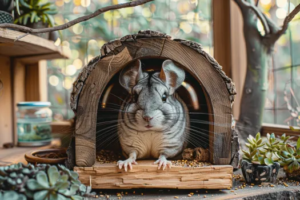
What Is a Chinchilla’s Personality Like? Key Things to Know Before You Get One
Chinchillas—also called velvet rats—have dense, soft fur and a gentle, non-aggressive temperament, which makes them a favorite pet. This article covers their fur, personality, lifespan, and diet so new owners know what to expect.

Causes and Treatment of Diarrhea in Hamsters
A hamster's gut is sensitive; dirty or watery food and a dirty cage can all cause diarrhea. Left untreated, diarrhea leads to dehydration and death, so don't ignore it. This article covers the causes and how to treat it.

What to Do When an Arowana Is Picky or Won’t Eat
Low appetite in arowana puzzles many owners. It's affected by water quality, environment, and the fish itself. This article shares ways to keep an arowana eating well.