Search Results
2129 results for “pet diet”

How to Feed a Red-Eared Slider and What to Watch For
Feeding a red-eared slider depends on its life stage: hatchlings need daily meat-rich meals, while adults do well with pellets, insects, and veggies two to three times a week. Keep water clean and warm (23–30°C), provide a basking spot, and stop feeding once they hibernate below 11°C — just maintain water above 4°C.

Can Dogs Eat Bayberries (Waxberries)?
Dogs can eat bayberries in moderation. Bayberries are rich in vitamin C, minerals, and dietary fiber, which can support a dog's immunity. However, dogs digest fruit poorly, and too many can cause indigestion, soft stools, or diarrhea, so control the amount. The pits are large and may cause constipation or even intestinal blockage, so always pit them or serve as diluted juice.
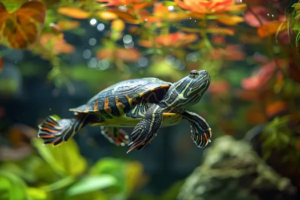
Common Reasons a Turtle Won’t Eat and How to Respond
Unpalatable food, unfamiliar surroundings, low water temperature, and gastroenteritis can all make a turtle stop eating. Turtles hibernate: appetite peaks at 24–28°C and drops as temperature falls; below 15°C they enter hibernation and stop eating. For aquatic and semi-aquatic turtles, water depth also matters—too shallow and they may refuse food; keep water at least covering the shell.

What to Do When Cat Hair Is Everywhere
When cat hair fills the home, brush your cat regularly with a pet comb to remove loose fur. Use a vacuum or lint roller on furniture, carpets, and bedding; for wipeable surfaces, a damp cloth balls the hair for easy pickup. Tape also works without tools. Regular baths and proper humidity help skin and coat health.

Why Is My Cat Crying Reddish-Brown Tears?
Reddish-brown tear discharge in cats can be caused by overly salty food, a blocked nasolacrimal duct, or eye inflammation. Determine the specific cause from the actual situation and treat accordingly. If the cat recently ate salty food, it may be 'internal heat' causing more discharge that oxidizes to reddish-brown—adjust to a bland diet and offer more water. If the eyes are also red and swollen, inflammation is likely; see a vet.

What Can a Teddy Bear Dog Eat to Gain Weight?
Healthy weight gain comes from nutritious, balanced food—add lean meat, beef, eggs, and fish for protein and muscle; olive, fish, or coconut oil for fatty acids and energy and coat quality; split meals into 4–5 daily to raise intake. Encourage moderate exercise for appetite and digestion, and deworm and check regularly to rule out parasites or gut disease.

What to Do When a Dog’s Seizures Become More Frequent
When seizures grow frequent, see a vet to find the cause and a medication plan; tests like blood work or EEG may be used. Anti-seizure drugs such as diazepam or phenobarbital control episodes—give them on schedule, never change dose or stop on your own. Watch diet, sleep, and exercise for triggers, and avoid highly stressful or excited environments.

Notes on Keeping Goldfish in Winter
Winter's low temperature slows goldfish metabolism and weakens immunity, so adjust diet and water changes. Reduce feeding amount and frequency and lower change frequency. Avoid adding new fish in winter. Watch their condition for early signs; manage diet and water changes to lower illness risk.

Why Dogs Refuse to Eat
There are many reasons a dog refuses food - improper feeding, a monotonous diet, indigestion, lack of exercise, low mood, being in heat, or illness. Address the specific cause with a targeted solution. To prevent anorexia, feed sensibly, choose high-quality kibble as the staple, and vary the diet so the dog doesn't lose interest in food. Also feed on a fixed schedule and portion to build good eating habits.

Why Hamster Poop Turns Green
Green hamster stool may come from newly introduced green vegetables such as spinach or lettuce - usually harmless; reduce them and watch the color recover. It can also signal indigestion, in which case ease raw produce and reintroduce slowly. Lastly, it may indicate chilling or infection; watch for lethargy, poor appetite, or rapid breathing and see a vet.