Search Results
2129 results for “pet diet”

What Causes an Arowana to Stop Eating?
Many things cause refusal: bad or old water, indigestion, big environment changes, illness—and some arowana stop seasonally. Find the real cause for your fish. This article lists the common reasons.
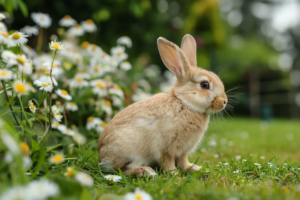
How to Care for a Dwarf Rabbit: Key Tips and Precautions
Dwarf rabbits are small, lively, and gentle, making them a favorite pet rabbit breed, but new owners often make mistakes that put the rabbit at risk. This guide covers the essential setup—cage, water bottle, litter box, diet—and the daily care rules that keep a dwarf rabbit healthy and long-lived.

Why Your Dog’s Coat Loses Its Shine
A dull coat often signals health or care problems—poor diet, lack of sunlight, bad washing habits, or simply aging. Regular brushing, sensible sun exposure, and supplements like lecithin restore coat health and gloss.

Should You Keep a Red-Eared Slider Dry or in Water?
Red-eared sliders are common, hardy pet turtles, but proper care starts with the right setup. They should be kept mostly in water with a land area for basking, while dry keeping is only for sick individuals needing medication. Stable temperature, clean water, varied diet, and disease watch keep them healthy.

What Is a Healthy Adult French Bulldog Weight, and How to Control It?
Adult French bulldogs should weigh 8–14 kg; their lazy nature makes obesity likely, raising diabetes and joint risks. Control weight with lower-fat food, daily exercise, and small frequent meals—and see a vet if severely overweight.

How Much Does an Adult Golden Retriever Weigh, and What If It’s Too Thin?
Adult male golden retrievers should weigh 27–34 kg and females 25–32 kg. If yours is underweight—usually from poor nutrition, parasites, or weak digestion—improve the diet, deworm regularly, and support gut health to help it gain.

Key Techniques for Raising Rabbits
Whether for meat, wool, or as a pet, rabbits need scientific care: a fiber-rich diet in small frequent meals, clean non-tap drinking water, a steady 20°C environment, and strict hygiene with 12–15 hours of light. Master these to keep rabbits healthy.
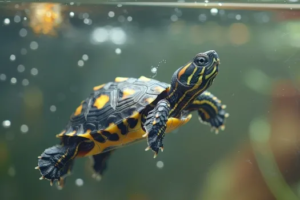
Why Is My Turtle’s Shell Soft, and How to Treat It?
A soft shell is usually normal shedding or, more seriously, calcium deficiency (metabolic bone disease). Improve diet with calcium-rich foods and ensure daily sun or UVB to aid absorption.

What to Do If Your Turtle Lacks Calcium, and How to Supplement
Calcium deficiency deforms the shell and slows growth and appetite. Fix it with calcium-rich foods (shrimp, cuttlebone), calcium tablets or powder, and daily sun or UVB—but avoid overdoing it, which can cause stones.

What to Feed a Nursing Dog to Boost Milk Production
After whelping, a mother dog needs calcium and protein—goat milk, crucian carp soup, bone broth, canned food—plus probiotics for gut health and mammary massage to stimulate flow. Avoid pork liver, which lowers supply.