Search Results
2129 results for “pet diet”

How to Keep a Rabbit Odor-Free
Rabbits are clean animals—odor comes from poor hygiene, not the rabbit. Keep the hutch airy and tidy, bathe only when needed with plain water, and manage urine smell with absorbent bedding and disinfectant.

What to Do When Your Hamster Has Urolithiasis (Urinary Stones)
Urolithiasis is a urinary-tract condition more common in middle-aged and older hamsters, usually caused by excess dietary calcium. This guide covers causes, symptoms, dietary changes, and supportive care.

Caring for a Rabbit with Heart Disease
Rabbit heart disease can't be cured, only managed with medication, stress control, weight management, and good care. Early diagnosis and attentive nursing let a heart patient live a long, happy life.

Hamster Shedding and Summer Care
Summer shedding is normal for hamsters as they lose their thick winter coat, but constant shedding may signal illness. Also guard against heatstroke with shade, water, ventilation, and cooling foods.

What to Do When Your Hamster’s Cage Smells Bad
A smelly hamster cage usually means missed cleaning or strong natural odors. This guide covers odor-control foods, activated charcoal and proper bedding, sand baths, thorough cage washing, and spotting illness or diet as hidden causes.
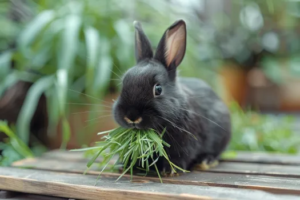
Causes and Symptoms of Stomatitis in Rabbits
Stomatitis in rabbits is an acute, highly contagious viral infection that mainly strikes 1–4-month-old kits and can be fatal within a week if untreated. It causes drooling, mouth blisters and ulcers, and loss of appetite, and is usually caught from contaminated feed or water entering through small mouth wounds.

Dog Bad Breath? Tartar May Be the Culprit
A sudden foul odor from your dog's mouth is often a sign of tartar. The buildup irritates the periodontal tissue, causing bad breath and periodontitis. Have the teeth professionally cleaned, switch from soft food to kibble, and brush regularly to stop it from returning.

How to Help a Thin Cat Gain Weight
A thin cat may be underweight due to genetics, poor diet, parasites, digestive disease, or dental issues. Rule out illness with a vet first; then raise the diet's nutritional density, feed small frequent meals, and add gentle play to boost appetite and build a healthy body.

How to Help a Hamster Empty Its Cheek Pouches
If a hamster can't empty its cheek pouches, gently massage the pouch area to stimulate release, let it spit food out naturally at home, or use a soft swab to prompt it. Feed small, non-sticky food pieces to prevent pouches from trapping food and causing pouch inflammation.

How to Support a Cat with a Sensitive Stomach
Some cats have notoriously delicate digestions—the so-called glass stomach—prone to soft stools, diarrhea, and vomiting. The key to managing it is diet. Choose a limited-ingredient, single-protein hypoallergenic food, feed small meals several times a day, and always transition new food over seven days. Pet-specific probiotics (mixed into water below 40°C so the live cultures survive) help rebalance gut flora, while a calm, low-stress home prevents flare-ups. If symptoms persist or worsen, a vet check and possibly a prescription gastrointestinal diet are the right next steps.