Search Results
2132 results for “pet diet”

Practical Feeding Tips for Your Dog
Feeding well means set meal times, quality kibble, and minimal switching. Watch the bowl to gauge portions, and use mealtime for basic training.

Helping Your Schnauzer Through the Stress Period
It is normal for a puppy to show stress after arriving home, but a few habits make the adjustment smooth: bond early through the first cuddles and daily feedings, keep the old food (soaked soft), and give it a quiet, warm, crate-like place to sleep. If mild signs like poor appetite, low spirits, or slight vomiting and diarrhea appear, stay calm, rule out infection, and let rest and a sensible diet do the work.

What Your Dog’s Waste and Walk Reveal About Its Health
Beyond temperature, pulse, and weight, a walk is the best window into your dog's health — watch its gait, expression, and the color and shape of its urine and stool. Red or dark urine can mean bleeding, cloudy urine an infection, shiny urine crystals, and orange urine jaundice; soft, bloody, or black stool points to digestive trouble. Catch these early and bring a fresh sample to the vet.

Are Dogs All Nearsighted?
Dogs really are nearsighted — their vision is only about a fifth to a third of ours because their lens is twice as thick. They make up for it with a huge field of view (200–250°), sharp motion detection out to 1000 meters, excellent night vision from the tapetum lucidum, and a color world of mostly grays where red and green read as shades. Because their sight is limited, protecting their eyes day to day matters a lot.

Dog Has Diarrhea but Still Acts Fine — What’s Going On?
A dog with diarrhea but normal energy still needs the cause found — usually parasites, a reaction to new food, bacteria, a swallowed object, or a drug side effect. At home, rest the gut with a 12–24 hour fast (water only), then a bland boiled-meat-and-rice diet reintroduced slowly over four days, plus probiotics and fiber; see a vet if it persists or a chronic issue like kidney disease is suspected.
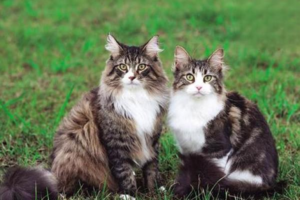
Causes and Treatment of Clear Mucus in Cat Stool
Clear mucus in a cat's stool can mean gut trouble, intestinal parasites, or panleukopenia, and ignoring it can lead to worse illness. Parasites from raw food and missed deworming need a dewormer or fecal test; diet-driven gastroenteritis calls for a short fast, then cat-specific anti-inflammatories and probiotics; and yellow-green vomit with repeated fever points to panleukopenia, which needs a vet at once.

What Is Canine Parvovirus
Canine parvovirus strikes dogs of any age but peaks in late autumn and summer; the enteric form brings sudden high fever, vomiting, and severe diarrhea in 2–6-month pups, while the myocardial form hits around 40-day puppies with sudden breathing trouble and collapse, often fatal within hours. Treatment protects the gut, supports the heart and fluids, and uses hyperimmune serum and antivirals early, with strict isolation and disinfection — and vaccination is the best defense.
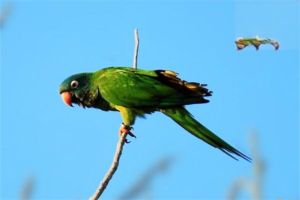
Which Parrot Species Can Talk?
Not every parrot can mimic speech — common favourites like budgerigars and lovebirds generally stay silent. The reliable talkers are the Derbyan parakeet, African grey, sulphur-crested cockatoo, macaws, long-tailed parakeet, and Amazon parrots, each with its own voice, temperament, and training needs.

Why Is My Cat Having Diarrhea Again?
Diarrhea is loose or unformed stool from food moving too fast through the gut to absorb water and nutrients, and it can be acute or chronic. Causes range from infections, parasites, and diet changes to stress and underlying gut disease; at home, keep water available, feed small frequent easily digested meals, and use smectite or pet probiotics for mild cases — but see a vet for blood, fever, lethargy, or ongoing diarrhea in an unvaccinated cat.
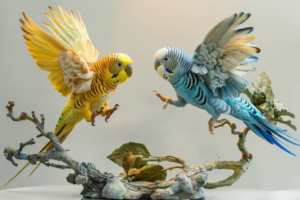
How to Treat Severe Feather Loss in Parrots
Heavy feather loss in parrots usually signals feather-picking syndrome, driven by parasites, skin infection, nutritional gaps, a poor environment, hidden illness, or stress. Treatment starts with pinpointing the cause — a better diet, a vet exam with skin scraping, or cleaner surroundings — and keeping the bird in a stable, calm home.