Search Results
2132 results for “pet diet”

Can You Spay or Neuter a Cat in Heat?
Spaying or neutering prevents uterine, ovarian, testicular, and mammary disease, but vets prefer to wait one to two weeks after a heat ends. During estrus the reproductive organs are engorged and bleed heavily, raising surgical risk — and afterward, controlled portions prevent the weight gain neutering invites.
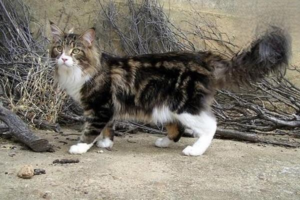
What Causes Abdominal Distension in Cats?
Abdominal distension in cats can signal anything from benign indigestion to serious congenital defects such as anal atresia or polycystic kidney disease. Dietary causes include spoiled ('toxic') milk from an infected queen, while parasites, infections, and simple digestive upset are common culprits. Because bloating ranges from mild to life-threatening, prompt deworming, probiotics, or a veterinary diagnosis is essential.

Diseases Cats Are Prone to in Winter
Winter weakens a cat's defenses, raising the risk of three problems: panleukopenia (distemper) — highly contagious, often fatal in kittens, prevented by vaccination; feline herpesvirus (cat flu) — carried silently, deadly when it flares in the cold; and chill-driven vomiting/diarrhea that can become gastroenteritis. Keep up vaccines and nutrition, stay warm, and limit winter baths to once every one to two months.

How to Deal With Dog Odor at Home
Dog odor comes from the dog itself—body odor, lack of bathing, bad breath, ear wax, full anal glands, or skin disease—and from accidents caused by untrained pups, marking during heat, diarrhea from parasites or parvovirus, or aging sphincter loss. Find the source, then improve hygiene (regular baths, weekly teeth brushing, ear and anal-gland care) and use an enzymatic deodorizer that breaks down odors rather than masking them.

Mouth Ulcers in Rabbits
Rabbits with mouth ulcers develop small blisters, red swollen gums, drooling, and bad breath, and the pain makes eating difficult. Softening the diet, keeping the mouth clean, and offering chew toys to wear down overgrown teeth all help the ulcers heal. Because a rabbit's teeth grow continuously, unchecked overgrowth can lacerate the oral tissue and trigger the ulcers in the first place.

Common Causes of Feline Obesity
Feline obesity is driven by age, genetics, neutering, and too little exercise, and it raises the risk of heat intolerance, heart disease, diabetes, and a shorter life. Prevention comes down to scheduled feeding, a lean high-protein diet, and daily play.

Symptoms of Hepatitis in Dogs and How to Treat It
Canine hepatitis commonly shows up as loss of appetite, lethargy, digestive upset, weight loss, and anemia. Treatment targets the underlying cause and combines medication to support bile flow with a balanced diet and steady at-home care.

Does Milk Engorgement in Mother Cats Go Away on Its Own?
A nursing mother cat can develop painful milk engorgement (mammary congestion) when kittens aren't nursing enough or her diet is too rich. Mild cases often resolve on their own within about a week, but severe swelling with hard lumps, scabs, or no improvement needs manual milking, drying-up medication, and a vet visit to avoid mastitis. Gentle massage, warm compresses, balanced feeding, and good hygiene are the main ways to help her recover.

Simple Ways to Protect Your Cat’s or Dog’s Joints
Arthritis can't be cured, so protecting your cat's or dog's joints every day slows degeneration. Balanced nutrition, a healthy weight, regular moderate exercise, a joint-friendly home, and vet care when needed all help keep them mobile and comfortable.

Do Female Dogs Get Periods? Caring for a Dog in Heat
Most dogs have their first heat around six months of age, with the cycle lasting roughly two weeks. During this time immunity dips and the dog draws unwanted attention, so keeping her clean, calm, and contained is what gets you both through it.