Search Results
2124 results for “pet diet”
What Are Semi-Aquatic Turtles?
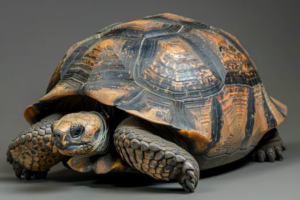
Semi-aquatic turtles are species that do not depend heavily on water. Unlike fully aquatic turtles that must live submerged for long periods, semi-aquatic turtles can spend time on land and only need occasional access to water. In captivity, owners should always provide a shallow water basin so the turtle can soak when needed. Popular examples include the golden coin turtle, leaf turtle, yellow-margined box turtle, Asian giant turtle, spiny hill turtle, and Amboina box turtle. Most semi-aquatic turtles are omnivorous and lean toward plant-based foods. A practical diet uses commercial turtle pellets as the staple, supplemented with vegetables and fruit. Because they do not need water to swallow, they eat comfortably on land, which makes them relatively easy to care for.

Key Points for Caring for a Cat in Summer
Summer heat raises the risk of parasites and heatstroke, so cat care in the warm months means three jobs: cleanliness, cooling, and diet. Run the AC without sharp temperature swings and don't shave the coat—thin it slightly instead, since bare skin burns and the cat sheds heat through paw pads. Feed little and often with light food, refresh water and food frequently so nothing spoils, and never offer cold food that upsets the stomach. Clean the nest, litter box, and belongings regularly and keep up flea, tick, and worm control. These habits keep a cat healthy through summer.

What to Do If Your Turtle Eats Only Meat and Rejects Pellets
A turtle that refuses pellets for meat usually has a taste preference or a digestion issue, but long-term meat eating risks gut inflammation, pickiness, malnutrition, and fatty liver. First check that the pellets are fresh and clean, or try a different brand, shape, or flavor—always soak pellets in water so the turtle can swallow. You can also change the routine: more swimming time and sunlight boost appetite. The firm fix is 'starvation training'—offer only pellets, no meat, until hunger wins. If nothing works, or you're unsure the turtle needs food, consult a veterinarian for a tailored plan.
Why Does Your Hamster Have Soft Stools?
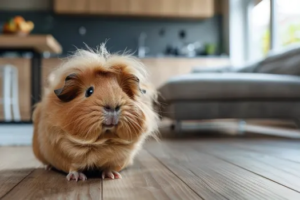
Hamster soft stools can stem from diet, infection, water, or stress. A fragile digestive system reacts badly to too much fruit or vegetable, moldy food, or unbalanced feed; bacteria or viruses can inflame the gut; poor or scarce water upsets it; and heat, environmental change, or fright lowers immunity. If you see soft stools, cut back on produce, check the water source, switch to a balanced diet with more protein and fat, keep the cage clean, and consider probiotics or medication for serious cases. If stools come with poor appetite or low energy, see a veterinarian promptly.

Solving Dog Bad Breath
Dogs cannot brush or floss themselves, so food lingers, ferments and smells; over time bacteria build into plaque and tartar, the real source of odor. Fight it: wipe teeth with a soft towel or gauze and use a cotton swab with garlic juice for residue between teeth; use a dog toothbrush and pet paste (not human paste, which upsets the gut) brushing every surface, patiently easing a resistant dog in. Feed vitamin- and fiber-rich veggies and crisp dog biscuits or chews that scrub the teeth - Pekingese fed only soft meat miss needed wear. Have the vet check and scale when needed; bad teeth bring strong odor and hurt appetite and nutrition.
What to Do When Your Cat Is Always Begging for Food
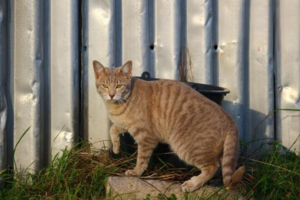
Cats beg because wild ones ate 12-20 small meals a day, so the habit stays; they may also be truly hungry from uneven feeding, or in a kitten 'mouthing phase' exploring tastes. Fix it: block access with pet gates and a firm 'no' (a newspaper rustle or cold shoulder builds the lesson that off-bowl food is off-limits), and redirect with cat trees and toys. Build good habits - feed on a schedule, raise portions for big breeds like Maine Coons, and keep amounts steady as they grow (2-month kittens every 4-6h, 3-6 months 3-4 meals, adults free-feed). Some beg for attention, so give more company. A few cats have mild pica (eating plastic or litter) needing trace minerals and vitamins. Never share human snacks - they are salty, oily or sugary and strain the kidneys and urinary tract.

How to Care for Your Dog in Autumn
Autumn's cool, dry, changeable weather feels great to us but asks for a few adjustments in dog care. Fatigue from summer, dropping temperatures, and dry air all affect a dog's body, coat, and digestion. A few simple habits around food, grooming, exercise, and disease prevention keep your dog comfortable through the season.

When Do Ragdoll Cats Develop Cheek Jowls?
Ragdoll cats usually start developing cheek jowls at 6–8 months, though genetics set the exact timing and some begin earlier or later. Only males develop true jowls; it depends on inherited genes from the parents. Diet, exercise, and neutering also shape the result. To support healthy jowl development, feed plenty of protein, vitamins, and minerals, offer chewy or raw-meaty-bone snacks to build jaw muscles, keep the cat active, and time neutering until after the face fills out. Remember, not every Ragdoll will jowl—genes decide. If you have concerns, consult a veterinarian.

How to Care for Your Cat in Summer
Cats have thick coats and dislike heat, so summer care centers on safe cooling to prevent heatstroke. Move the bed to a cool indoor spot, offer a cooling mat, trim only the paw fur (never shave—UV then damages skin), and keep air flowing with a fan or AC set no lower than comfortable, avoiding big temperature swings. Cats shed heat through their paw pads, so shorter paw hair helps. Hydration matters because fast summer metabolism raises dehydration risk—encourage drinking. Feed fresh food in small portions and clear leftovers fast, since wet food spoils quickly in the heat. These steps keep a cat comfortable through summer.

How to Care for Your Dog in Summer
Summer heat means preventing heatstroke, but some popular 'cooling' tricks backfire. Shaving a dog's coat or bathing it too often raises the risk of skin disease—the coat actually shields skin from sun and bites. Instead, cool the indoor space, use a cooling mat, trim only the paw fur to aid heat loss, walk at dawn or dusk with water on hand, and shift to lighter meals in small portions. Keep the air flowing, set the AC no lower than 26°C, and clear leftovers before they spoil. Smart, gentle cooling helps your dog sail through the hottest months.