Search Results
2124 results for “pet diet”
How to Care for a Dog with Pancreatitis
Pancreatitis is a high-risk digestive emergency, especially common in overweight middle-aged and senior dogs, and it often returns even after recovery — so proper home care matters as much as treatment. During a flare-up, withhold food and water immediately and see a vet; never self-medicate. After discharge, feed a prescription diet under 10% fat (regular food is 15–20%+), split into 4–6 small meals, and strictly avoid all high-fat foods such as fatty meat, organ meats, fried food, and rich treats. Keep your dog warm to protect the abdomen, allow only gentle short walks, follow the medication plan exactly, and return for regular pancreatic checks. Controlling weight is the best prevention — obese dogs are over three times more likely to develop pancreatitis.
Choosing the Best Dog Food for Senior Dogs (Age 7+)
Once a dog turns seven, its metabolism slows, digestion weakens, and organs such as the kidneys, heart, and liver begin to decline — so the right senior dog food matters more than ever. Look for a formula with at least 25% crude protein (30%+ is better), fat held between 8% and 15%, fiber under 9%, starch no higher than 32%, salt under 2%, and a calcium-to-phosphorus ratio of 1:1 to 2:1. Bonus nutrients like glucosamine, fish oil, and probiotics support aging joints, brains, and guts. Prefer wet food for dogs with poor teeth, transition gradually over seven days, and feed smaller meals. For dogs with heart, kidney, or diabetic conditions, a vet-guided prescription diet is safest.

Is Dog Regurgitation Normal?
Regurgitation—when a dog brings food back up shortly after eating and re-chews it—is usually a normal part of digestion, especially in dogs that eat too quickly. It helps break food down and improves nutrient absorption. However, frequent regurgitation can also signal indigestion, a diet too greasy or low in fiber, or stress and anxiety. In most cases there is no need to worry, but if regurgitation is accompanied by vomiting, loss of appetite, or happens repeatedly, it may point to a digestive problem that needs a vet's attention. Adjusting feeding habits and food quality is the best prevention.
Cat Food Ingredients to Avoid, No Matter How Cheap
Not all cat food is created equal, and the ingredient list is the single most reliable way to judge quality. Some products hide preservatives, flavor enhancers, and fillers that can harm your cat over time — from potential carcinogens like BHA, BHT, ethoxyquin, and TBHQ to appetite stimulants such as MSG and pyrophosphate. Other risky additives include propylene glycol, nitrites, synthetic vitamin K3, and thickening gums, while artificial colors and sweeteners add sugar and nothing of value. Because cats are obligate carnivores, diets overloaded with corn, wheat, or soy not only lack nutrition but may trigger allergies and even aflatoxin exposure. Learning to read the label helps you protect your cat from low-grade food, no matter how attractive the price.
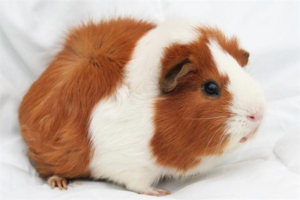
What to Do When Your Guinea Pig Won’t Drink Water?
Guinea pigs need a steady supply of fresh water, and refusing to drink can quickly lead to dehydration and digestive trouble. The cause is often practical rather than medical: too much moisture in their food, stale or dirty water, a poorly placed bottle, or simply a bad habit. Most cases improve once you trim watery produce, switch to a proper small-pet water bottle at the right height, keep it scrupulously clean, and gently train your pet to use it. If a sudden refusal to drink comes with low appetite or lethargy, see a veterinarian to rule out illness.

Why an Older Dog’s Hind Legs Suddenly Go Lame
When a senior dog's hind legs suddenly go lame, watch closely and review whether your daily care is sound - it can come from age-related calcium loss (osteoporosis) or joint trouble. Start by checking the paws for cuts from glass or thorns; clean any wound, remove debris, apply a pet wound powder, and bandage, keeping the dog rested indoors so the injury does not reopen. Long-term calcium loss is common in older dogs and weakens the bones, so add calcium-rich foods like shrimp, egg yolk, and tofu and use a vet-recommended calcium supplement. If there is no wound and diet is fine, the cause may be the joints - large breeds are prone to arthritis as they age, worsened by cold floors or over-exercise; a joint supplement plus warmth may help, but swollen, painful joints need a vet.
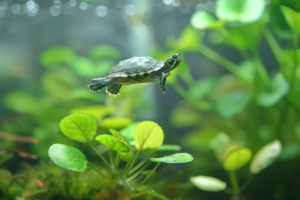
Key Points for Keeping Turtles as a Beginner
Good water, enough food, sunlight, and suitable temperature are the basics of turtle keeping and the keys to a long, healthy life. Focus on diet: choose high-quality turtle pellets for balanced nutrition and avoid processed human foods like sausage, bacon, and fried snacks, which are salty and burden the liver. Feed by size, two to three small shrimp for a hatchling, and adjust frequency with the season, roughly every one to three days and daily in hot summer.

Early Signs of Cheek Pouch Inflammation in Hamsters
Cheek pouch inflammation in hamsters is usually caused by bacterial infection, poor nutrition, overeating, or a sharp object scratching the pouch, and it can cause appetite loss, bad breath, and lethargy. Left untreated it may become life-threatening. Early signs include reduced appetite, food stuck in the pouch, trouble drinking, and low spirits. Prompt care, gentle massage, diet adjustment, hygiene, and veterinary-guided antibiotics are the main treatments.

Why Is a Hamster Passing Red Urine?
Red urine in a hamster can come from several causes, so the reason must be identified before treating. Diet is common: dyes or pigment-rich foods such as tomato, watermelon, carrot, or grape, and organ meat can tint the urine. Urinary tract infection, bladder stones, kidney problems, uterine disease in females, and blood disorders such as parasites or leptospirosis can also cause blood in the urine. Offer plenty of water, adjust the diet, and consult a veterinarian if the cause is unclear or persists.

What Is Canine Tuberculosis
Canine tuberculosis is a chronic, slowly progressive infection caused by Mycobacterium tuberculosis complex bacteria. Dogs usually catch it from infected people, cattle, or cats through the air or contaminated food and water, and it can pass to humans as well. Early signs are vague - odd appetite, tiredness, and gradual weight loss - but as the disease advances, dogs may develop a persistent cough, digestive upset, abdominal swelling, or skin ulcers depending on which organs are affected. Because the infection forms hardened granulomas in tissues, it is difficult to cure, and open or positive cases are generally humanely euthanized to protect public health. Strict hygiene and prompt testing of sick animals are the main defenses.