Search Results
2124 results for “pet diet”
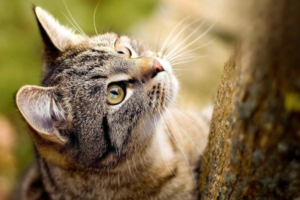
Diagnosing and Treating Feline Idiopathic Cystitis (FIC)
Feline idiopathic cystitis, or FIC, is a common lower-urinary-tract disease in cats whose exact cause is still unknown, yet it is the single most frequent diagnosis in young cats, affecting roughly 50 to 60 percent of cases. It is linked to a defective bladder lining, nerve-driven inflammation, and stress. Because there is no single definitive test, veterinarians diagnose it by exclusion, using the history, urinalysis, blood chemistry, and ultrasound. Most episodes ease on their own within five to seven days, but treatment focuses on pain relief, protecting the bladder lining, litter-box management, more water, prescription food, and reducing stress.

Causes and Prevention of Liver Disease in Cats
The liver is the body's largest metabolic and digestive organ, and in cats it is closely tied to the blood, digestion, tendons, and eyesight. Liver disease can arise from nutritional or endocrine disorders, infections, or poisons such as arsenic, mercury, chloroform, and aflatoxin. Early signs are usually digestive, like vomiting, poor appetite, and pale stools, while later stages bring muscle tremors and weakness. Management focuses on the right balance of energy, protein, fat, and carbohydrates, plenty of vitamins, and a light, easily digested diet or a prescription liver formula to support recovery.

How to Care for an Alligator Snapping Turtle
Alligator snapping turtles are aggressive, long-lived freshwater turtles that make challenging but rewarding pets. They are mostly aquatic but must come ashore often to breathe, so provide a rock or basking platform. Keep water deep, about two to three times the shell height, with a land area for shelter and sunning. Change only one fifth to one third of the water weekly to avoid shocking them. Feed a varied carnivorous-leaning diet of fish, shrimp, earthworms, lean meat, and insects plus some greens, and keep the temperature steady at 26 to 32 degrees Celsius. Avoid overfeeding and too much fat or salt, and clean the habitat regularly to prevent disease.

What to Do When Your Cat or Dog Has Chronic Constipation, Diarrhea, or Indigestion
About 60 to 80 percent of a cat or dog's immune system resides in the digestive tract, and a healthy gut is the body's first line of defense against pathogens and toxins. When the intestinal flora falls out of balance, pets frequently develop constipation, diarrhea, and poor digestion and become far more prone to illness. Diet, stress, medications, and a naturally smaller microbiome all influence gut health. Probiotics can help restore balance, but most beneficial bacteria are destroyed by stomach acid or by heat during food processing. This guide explains why gut balance matters, what disrupts it, and how to choose a heat- and acid-resistant, high-activity probiotic that actually survives to reach the intestines where it is needed.

How to Help a Rabbit Adjust to a New Home
Rabbits are sensitive, so moving to a new home can make them tense and unsettled. Before the move, prepare a warm, safe enclosure and place the rabbit's own toys, blanket, bedding, and water bowl there so it recognizes familiar scents. Once home, let the rabbit settle in with minimal noise and disturbance, then gradually introduce new people, sounds, and smells, starting with family members and widening the circle. Keep feeding and routines consistent, since stable daily life builds a sense of safety and trust. Patience, not speed, is what helps a rabbit feel at home.
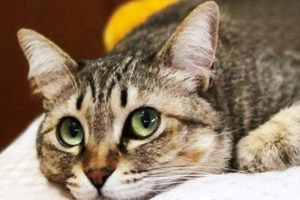
5 Tips for Keeping a Senior Cat Healthy
Five tips for senior cats: twice-yearly exams to catch teeth, arthritis, heart, and kidney issues; watch behavior like appetite, litter, and sleep changes; ease daily life with ramps, non-slip mats, and low-sided litter boxes; switch to senior food to control weight; and give soft, warm, safe bedding, guarding wires from chewing.

Understanding Feline Hyperthyroidism
Hyperthyroidism is an endocrine disease from excess thyroid hormone, common in senior cats, usually from benign nodules. Signs include weight loss with ravenous appetite, restlessness, coat changes, and more; suspect it in any sick cat over ten. Treat by surgery, daily medication, or radioiodine; prevent via diet and regular checkups, especially with heart disease.
Preventing and Managing Cat Kidney Disease
Use kidney-support cat food early, most effective in the first two stages of chronic failure, to cut phosphorus, blood pressure, and digestion issues and slow decline. Affected cats need low-phosphorus, low-protein, high-energy, palatable food. Control protein by stage, catch it early, and check seniors at least yearly, twice for older cats.
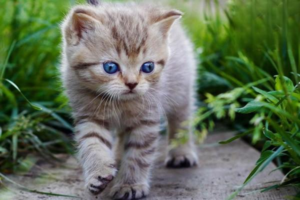
Key Points Not to Ignore When Feeding Cats
Feeding a cat well means more than good food. Not all cats digest milk, so skip it. Cats are picky and bored by the same kibble, so change diet slowly over days. Tempt a refusenik with freeze-dried treats, but don't overdo it. Offer complete balanced food, wash bowls, and for kittens add a little meat weekly and soften kibble with warm water.

Symptoms and Treatment of Fatty Liver in Dogs
Canine fatty liver is the build-up of fat in the liver from disrupted sugar and fat metabolism, showing as excess body fat, poor digestion, and easy fatigue. Causes are primary, from high-fat diet, low protein, starvation, or little exercise, or secondary, from hepatitis, diabetes, and other chronic disease. Signs include low spirit, poor appetite, occasional vomiting, and an enlarged liver. Diagnosis uses blood, biochemistry, and imaging; treatment is medicine plus a changed diet, regular meals, and exercise.