Search Results
2129 results for “pet diet”

How to Feed a Guinea Pig at Different Life Stages
A guinea pig's nutritional needs change with age, so feeding differs for babies, adults, and seniors. Babies nurse and wean around 15–20 days; adults eat mostly grass with measured pellets and vegetables; seniors need soft, nutrient-dense food plus vitamin C. This guide breaks down the diet for each stage.

Guinea Pig Care: What to Avoid
Guinea pigs are relatively easy pets, but there are taboos: poor living conditions, random feeding, and cold environments among them. This list covers the key don'ts—from diet and housing to temperature and safe bowls—so your pig stays healthy.

What Ointment Helps Cat Chin Acne Heal Faster?
Feline chin acne is a follicle inflammation; treat it with antibacterial ointments such as erythromycin, mupirocin or tetracycline, and switch your cat to a ceramic, stainless-steel or glass bowl instead of plastic. Keep the chin dry and choose pet-specific skin products, since human medication can irritate a cat's skin.
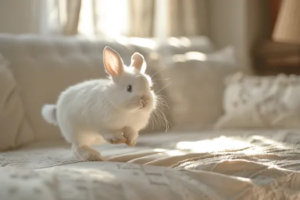
Will a Rabbit’s Diarrhea Get Better on Its Own?
A rabbit's gut is delicate, so diarrhea is a serious sign that will not resolve on its own. Causes include coccidiosis, chills/colds, improper diet, and rabbit hemorrhagic disease (RHD); treatment ranges from veterinary care for infection or RHD, to warming and diet fixes for mild cases. Never wait it out.
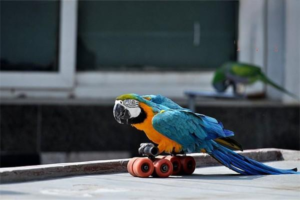
Why Does a Parrot Get Scabs on Its Face and What to Do
Scabby patches on a parrot's face usually mean a scaly-mite (Knemidokoptes) infection, which can be life-threatening if severe. Treat by applying white petroleum jelly to suffocate the mites, soften thick crusts first, and support recovery with vitamins and a clean, dry environment.

Why Is My Cat Vomiting Yellow Fluid and How to Treat It
Cats vomit yellow fluid due to hairballs, diet indiscretion, gastritis, or viral disease (panleukopenia, coronavirus). Treatment matches the cause: hairball paste, short fasting, probiotics, or urgent vet care for viral infection.

How to Prevent Turtle Enteritis
Enteritis is a common turtle disease whose early signs—lethargy, reduced appetite, loose stools—can turn fatal through organ failure if untreated, so prevention matters. Key measures are clean, disinfected enclosures (quicklime), good water quality, careful feeding on a fixed schedule with fresh food, and herbal prevention (Euphorbia humifusa) in warm months; treatment centers on early isolation and herbal or berberine/houttuynia injections.

Why Do Arowana Refuse to Eat?
Arowana may refuse food for many reasons—poor water quality, fright, temperature swings, environmental change, illness, improper feeding, or internal parasites. If the fish is otherwise active, refusal alone isn't alarming. Key fixes: stabilize pH (6–7.5), avoid sudden changes, and treat any underlying disease.

Can You Deworm a Cat That Has Soft Stools?
It is generally not advisable to deworm a cat with soft stools, because the medication can further irritate the intestines and worsen the problem. Address the soft stools first—with dietary fiber and probiotics—and only deworm once the stool has returned to normal for about a week. If parasites are the suspected cause, confirm with a fecal test before treating.
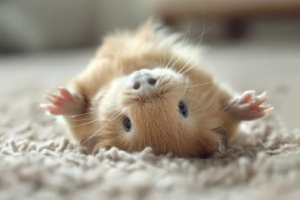
Common Guinea Pig Diseases and How to Prevent and Treat Them
Coccidiosis, colds, and diarrhea are among the most common health problems in guinea pigs, and owners should focus on preventing them. This guide outlines practical prevention and treatment measures for these frequent guinea pig illnesses, from medication and wound care to daily hygiene checks.