Search Results
2129 results for “pet diet”

What to Do When Your Cockatiel Won’t Eat
A cockatiel that stops eating is usually unwell - a cold, enteritis, stress, or other disease - and can dehydrate and die within days. Find the cause, keep the cage clean with fresh food and water, offer probiotics for diarrhea, and see a vet if it eats nothing for over 3 days.

What to Do When Your Cat Has Pica
Pica in cats—eating non-food items like plastic or plants—often stems from poor digestion, a lack of trace minerals, illness, or plain curiosity. Manage the environment, balance the diet with vitamins and minerals, and spend more time playing with and monitoring your cat; see a vet if other illness signs appear.
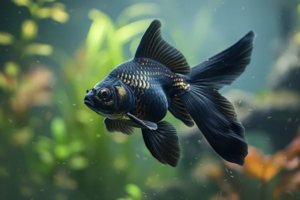
Common Reasons an Arowana Stops Eating
An arowana may refuse food because it is stressed by a new environment, the water has gone bad, the diet is too monotonous, it has a cold, it has internal parasites, or it has enteritis. Pinpoint the exact cause—stable water, a short fast, then targeted treatment—before resuming feeding.

How to Fix Bad Breath in Cats
Cat bad breath usually points to an oral problem such as ulcers, periodontal disease, or poor diet. Brush regularly, switch to bland soft food, add vitamin B and dental chews, and check for drooling, dirty teeth, vomiting, or twitching to find the cause.

Cockatiel Enteritis: Signs and Treatment
Cockatiel enteritis shows as diarrhea, watery droppings, fluffed feathers, rapid weight loss, and low spirits. Without prompt care it can turn to starvation, blood in droppings, and dehydration fast, so act early.
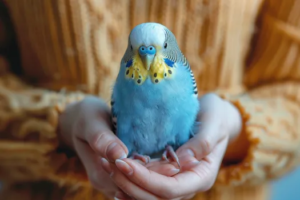
Signs That Your Lovebird Is in Breeding Condition
Lovebirds breed too, so hormonal behavior is normal and not a worry. It is triggered by long light, rich food, rough petting, or nest-like spots, and shows as grumpiness, hip-swaying, regurgitating food, and mating calls.

Why Won’t My Parrot Eat?
A parrot may refuse food for many reasons - illness, fright, a full belly, poor digestion, a sudden diet change, loneliness, or weaning. Read the signs before giving any medicine, since the wrong drug can do more harm.

Cat Anemia: Causes and Prevention
Cat anemia is not just about poor diet - it can stem from single-nutrition feeding, external parasites, feline leukemia, congenital marrow disease, or sepsis. Prevent it with a balanced, nutrient-rich diet, regular deworming, and supplements like a blood-building paste.
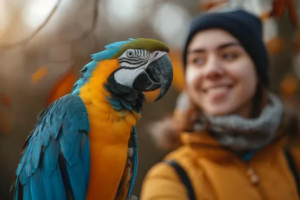
What to Do When Your Parrot Shows Breeding Behavior
Breeding behavior in parrots is natural but can turn noisy and aggressive. You can calm it by avoiding sensitive-area petting, trimming rich foods, removing nest materials, and giving daily out-of-cage time and baths.

What Are the Most Common Turtle Diseases?
Turtles are hardy, but they still get sick, especially with poor water and feeding. The most common illnesses are colds, enteritis, mycosis, and soft-shell disease, each with distinct signs and treatments ranging from antibiotics to diet fixes.